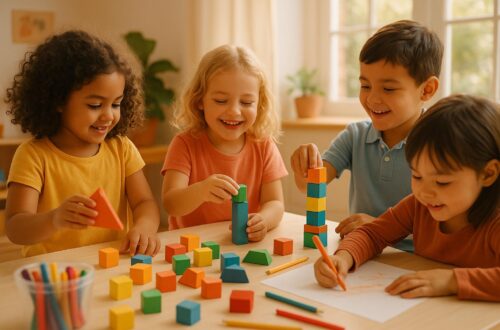
Daily routines are a cornerstone of emotional growth for children. Research shows that predictable schedules help kids feel secure, regulate emotions, and build coping skills that last a lifetime. A structured day reduces stress, supports better behavior, and even strengthens family dynamics. Here’s why routines matter and how they shape emotional well-being:
- Security and Stability: Predictable routines provide children with a sense of control, reducing stress and promoting emotional balance.
- Better Sleep and Mood: Consistent bedtime habits improve sleep quality, leading to steadier emotions.
- Coping Skills: Regular routines help kids handle transitions, solve problems, and manage challenges more effectively.
- Parental Benefits: Structured days reduce stress for parents, creating a positive cycle of emotional support for the entire family.
How Do Routines Build Emotional Resilience In Kids? – Childhood Education Zone

Research Results: How Routines Affect Emotional Development
Studies reveal that sticking to consistent routines can play a big role in helping children manage their emotions. By creating structure, routines not only ease stress but also help kids build better coping mechanisms at various stages of development. Let’s break down how routines impact emotional growth.
Improved Emotional Balance and Stability
When children know what to expect, they feel more secure. Predictable daily schedules, such as having a set bedtime, reduce stress and promote better sleep. This combination leads to steadier moods and a stronger sense of emotional stability.
Enhanced Coping Skills and Positive Behaviors
Routines also help kids navigate life’s challenges more effectively. They make transitions – like starting school – less overwhelming and encourage problem-solving, social interaction, and staying focused in class. With regular routines in place, children are better equipped to handle changes and develop positive behavior patterns.
Why Routines Support Emotional Control
Daily routines play a crucial role in helping children develop emotional stability and self-regulation. When parents understand how routines contribute to emotional development, they can create consistent strategies that provide children with a sense of security and predictability. Research shows that having structured routines reduces mental strain, making it easier for kids to manage their emotions and cope with stress.
Predictability Reduces Mental Strain
When children face an unpredictable environment, they often expend extra energy trying to figure out what will happen next. This constant guessing game leaves them with less mental capacity to regulate their emotions. Predictable routines, on the other hand, act as a mental shortcut, freeing up energy that can be redirected toward learning and emotional self-management.
Think of it like conserving battery life on a device – routines save a child’s mental energy by eliminating the need for constant decision-making. For example, a consistent bedtime routine that includes calming activities, like reading or a warm bath, creates a sense of stability. Similarly, a regular morning schedule can serve as a dependable anchor, helping children feel more grounded even when other parts of the day are less predictable.
Strengthening Self-Control Through Practice
Routines don’t just conserve energy – they also provide opportunities for children to practice self-control. Simple tasks, like putting away toys or brushing their teeth, teach kids how to manage impulses and delay gratification. Over time, these repeated actions become automatic, making it easier for children to navigate more complex challenges.
Take bedtime routines, for instance. A young child who initially resists might, with consistent repetition, come to anticipate and follow the sequence of activities without protest. This process builds what experts call "behavioral momentum", making it easier for children to maintain emotional control in other areas of their lives.
Routines also help kids connect their actions to outcomes. For example, completing an evening routine often leads to feeling calm and ready for sleep. This cause-and-effect understanding reinforces the idea that their choices can influence how they feel – a critical step in developing emotional intelligence.
Parents often notice that children with clear routines handle transitions and minor frustrations more effectively. A structured environment allows kids to practice emotional regulation in a safe, predictable setting, preparing them to manage their emotions independently as they grow.
Benefits for Children and Parents
Establishing consistent routines at home does wonders for both kids and parents. When families stick to predictable patterns, it strengthens emotional well-being and improves family dynamics. Research shows that structured environments lay the groundwork for healthier interactions and help reduce stress throughout the household. The results? Better behavior, stronger relationships, and the development of essential life skills.
Fewer Emotional and Behavioral Problems
Predictable routines can significantly reduce behavioral issues like impulsivity, aggression, and defiance. For example, bedtime meltdowns become less frequent, transitions go more smoothly, and kids are generally more cooperative.
When children know what to expect – like cleanup time always coming before story time – they begin to connect their actions with positive outcomes. This consistency not only encourages self-discipline and independence but also supports better social interactions and cognitive growth.
Routines also act as a protective shield for children’s mental health. Studies suggest that structured environments can help prevent the development of serious mental health issues later in life. By offering regular opportunities for emotional regulation, routines build resilience that kids carry with them into their teenage years and beyond.
Less Parental Stress and Worry
Parents also reap major benefits from consistent routines. Having a predictable daily structure helps cut down on decision fatigue, making life feel more manageable. With routines in place, parents can relax knowing their children understand what’s coming next. This leaves more time for meaningful moments – like chatting during dinner, reading together, or simply enjoying each other’s company.
This predictability boosts parental confidence, as it becomes easier to anticipate how kids will handle transitions. Feeling less overwhelmed allows parents to respond to challenges with greater patience and understanding. Less stress for parents also means they’re better equipped to support their children’s emotional needs.
The combination of fewer child behavioral issues and reduced parental stress creates a positive cycle. As parents feel more in control, they can focus on nurturing their kids, which reinforces the routines that strengthen children’s emotional resilience. In the end, everyone benefits – parents feel less burdened, and children thrive in a stable, supportive environment.
sbb-itb-e558fb0
Practical Ways to Build Effective Routines
Helping your child develop routines that support their emotional growth starts with fostering consistent habits for emotional regulation. Studies show that predictable routines provide a sense of comfort, safety, and emotional balance. This consistency not only encourages independence but also helps reduce conflicts.
The key to effective routines lies in small, repeated actions that build confidence over time. Instead of overhauling an entire day, focus on one or two critical parts of the day to establish clear and reliable patterns. Here are some practical strategies to create routines that work.
Setting Up Consistent Daily Schedules
A steady daily schedule creates predictability, which helps children feel secure and in control. By focusing on key transition points – like mornings, mealtimes, or bedtime – you can establish patterns that promote self-regulation and reduce stress. Consistency in these moments helps children manage their emotions and navigate their day more smoothly.
Using Charts and Checklists
Visual tools like charts and checklists are excellent for breaking routines into clear, manageable steps, especially for younger children. For instance, a morning checklist can guide kids through tasks like brushing their teeth, getting dressed, and packing their bags. These tools not only teach sequencing and responsibility but also make daily tasks feel achievable.
A simple image-based chart displayed in a common area can serve as a helpful reference. By reducing the need for constant reminders, these tools encourage independence while keeping everyone on track.
Including Children in Routine Planning
Involving children in the planning process makes them more invested in following the routine. When kids have a say in their schedules, they feel a sense of ownership, which naturally boosts their engagement. Ask for their input on which activities they find important and when they feel ready to tackle them. This collaboration strengthens their connection to the routine and promotes cooperation among family members.
Take time to regularly review the routine together. This allows you to identify what’s working well and adjust as your child’s needs evolve, ensuring the routine remains effective and supportive.
How Technology Can Help Support Routines
Technology provides parents with practical tools to create and maintain routines that nurture their children’s emotional well-being. By turning the idea of routine-building into actionable daily habits, digital platforms make it easier to implement strategies that align with a child’s developmental needs.
Personalized Parenting Support
AI-driven platforms like Brilliant Parenting are designed to offer tailored coaching for parents, helping them establish routines that match their child’s unique emotional and developmental stages. These platforms often begin with an assessment to understand your parenting style. Based on this, they suggest specific strategies, including detailed schedules and activities, customized to your child’s age, temperament, and needs.
One of the standout features is 24/7 access to expert guidance. Whether you’re navigating a chaotic morning or tweaking a bedtime routine, you can get immediate support when you need it most. The advice provided is grounded in child development research, so you can feel confident that the strategies are both reliable and effective.
Some platforms also facilitate communication between home and childcare providers, ensuring that routines remain consistent across environments. This shared approach helps reinforce emotional stability for children, offering a seamless experience between home and care settings.
These personalized tools naturally integrate with progress tracking features, making it easy to refine routines over time.
Tracking Progress and Making Changes
Beyond personalized coaching, technology enables parents to track progress and make informed adjustments. Many platforms provide data-driven insights, showing patterns in behavior, sleep, and emotional responses. This information helps parents identify what’s working and where changes might be needed.
By monitoring milestones and behavioral trends, parents can adapt routines to better support their child’s emotional regulation and overall well-being. This data can also be shared with pediatricians or childcare providers, offering a clearer picture of the child’s development.
For families with multiple children, these platforms allow you to manage routines for each child individually, while maintaining consistency in family values and approaches. Features like visual scheduling tools and editable templates help children understand and stick to their routines independently. These tools are easy to update as children grow or family dynamics shift, making it simple to adjust for new schedules, seasonal changes, or developmental milestones.
Regularly reviewing progress through these platforms ensures that routines stay effective and relevant. Instead of guessing what might need improvement, parents can rely on concrete data to make smarter, more impactful changes. This leads to routines that not only support emotional development but also evolve alongside the needs of the child and family.
Conclusion: Building Emotional Strength Through Routines
Studies highlight how daily routines contribute to emotional well-being by creating a sense of stability and predictability, which are crucial for emotional growth. Tools like Brilliant Parenting take this a step further by offering tailored AI coaching and research-backed strategies, helping parents establish and sustain these important routines.
FAQs
What are some practical ways parents can create routines that help children develop emotional skills?
Parents play a crucial role in nurturing their child’s emotional growth, and one effective way to do this is by creating consistent daily routines. Simple habits, like having regular mealtimes, setting up a calming bedtime ritual, or sticking to a predictable homework schedule, can provide kids with a sense of structure and security.
These routines also offer great opportunities to encourage open communication. For instance, you can ask your child about their day or talk about their feelings during family meals or while winding down before bed. By modeling behaviors such as patience and empathy, parents can teach their children valuable tools for managing emotions. A steady routine combined with a supportive atmosphere can go a long way in helping children develop emotional resilience.
How do daily routines help kids manage stress and develop emotional stability?
Daily routines give kids a sense of security and control by adding structure and predictability to their lives. This stability helps lower stress levels and strengthens their ability to cope with challenges and frustrations.
Having consistent routines also plays a big role in emotional growth. It helps children learn important skills like managing their time, taking responsibility, and regulating their emotions. Over time, these habits build their confidence and contribute to a greater sense of well-being in everyday life.
How can involving kids in creating their daily routines support their emotional development?
When kids are part of planning their daily routines, it gives them a sense of ownership and control over what they do. This often leads to better engagement and makes them more likely to stick to the routines without resistance.
Beyond that, involving children in this way helps them develop key life skills like decision-making, managing their time, and practicing self-regulation. These skills not only support their emotional development but also build their confidence in handling everyday challenges.