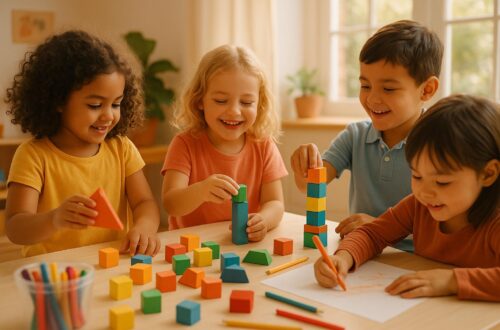
Teaching compassion to kids is easier with hands-on activities that encourage empathy, perspective-taking, and emotional awareness. Here are five practical ways to help children connect with others and grow into caring individuals:
- Team-Building Games: Activities like cooperative puzzles or trust exercises teach kids to work together, communicate, and recognize emotions in others.
- Acts of Kindness Challenges: Simple tasks, like helping a neighbor or writing thank-you notes, help kids practice kindness in everyday situations.
- Role-Playing Activities: Acting out real-life scenarios, like resolving conflicts or pretending to be community helpers, helps children understand different perspectives.
- Storytelling: Reading or creating stories about diverse experiences fosters empathy and emotional understanding.
- Community Service: Volunteering, such as helping at food drives or cleaning parks, connects kids’ actions to the emotions of helping others.
These activities can be adjusted for any age or personality, making compassion-building a natural part of daily life. For extra support, tools like Brilliant Parenting provide tailored guidance for parents to encourage empathy in their kids.
Compassion Lessons and Kindness Activities for Grades 2-5
1. Team-Building Games
Team-building games offer kids a chance to work together toward shared goals, helping them learn to support and understand one another. These activities shift the focus from individual achievements to group success. Let’s dive into some examples that bring teamwork to life.
Cooperative puzzle challenges are fantastic for teaching compassion. When kids tackle a big puzzle or building project together, they have to share ideas, listen to each other, and lend a hand when someone gets stuck. These activities emphasize teamwork over competition, making them perfect for fostering collaboration.
Trust-building exercises like partner obstacle courses or blindfolded navigation games encourage kids to rely on each other and communicate clearly. For example, one child might guide their blindfolded partner through a course using only verbal instructions. These activities naturally develop patience, trust, and effective communication.
Encourages Empathy
Team-building games create moments where kids see their peers experiencing a range of emotions – frustration when facing challenges, joy when making progress, or disappointment when things don’t go as planned. These shared experiences help children recognize and respond to the emotions of others.
For instance, during building challenges, kids might notice a teammate feeling frustrated after a plan fails. This opens the door for them to offer encouragement, suggest new ideas, or simply provide emotional support. The collaborative environment makes it easier for kids to express their feelings and find comfort in their peers.
Develops Perspective-Taking
Role rotation games are a great way to help kids see situations from different angles. By taking turns as the leader, helper, observer, or active participant, children gain a deeper understanding of various perspectives and how they contribute to the bigger picture.
Problem-solving scenarios are another excellent example. Imagine a group tasked with rescuing a stuffed animal or completing a mission. One child might suggest building a bridge, while another proposes digging a tunnel. They’ll need to discuss and weigh the pros and cons of each idea, learning to consider multiple viewpoints.
Promotes Emotional Awareness
Team activities often stir up a mix of emotions, giving kids the chance to identify and manage them in a group setting. Collaborative art projects, for example, teach kids how to share, compromise, and appreciate different contributions. They learn to celebrate the group’s effort, even if the final result looks different from what they envisioned.
Group storytelling games are another fun way to build emotional awareness. In these games, each child adds a sentence to a story, creating a shared narrative. This teaches kids to adapt to new ideas and stay connected to the group’s creative flow. They also become more aware of group dynamics and their emotional reactions to unexpected twists or directions.
2. Acts of Kindness Challenges
Similar to team-building activities, kindness challenges encourage hands-on learning of compassion. These challenges are designed to suit different age groups, aligning tasks with the developmental stages of children. For younger kids, focus on simple and straightforward acts, while older children can take on challenges that require more thought and planning. By customizing activities to their abilities, you not only keep them engaged but also help nurture habits of kindness that can last a lifetime.
3. Role-Playing Activities
Role-playing offers a hands-on way for children to understand and practice compassion. Much like team-building exercises or kindness challenges, these activities allow kids to step into someone else’s shoes, helping them see the world from different perspectives.
Encourages Empathy
Acting out real-life scenarios is a great way to develop empathy in children. For example, family role-play sessions can involve swapping roles – kids pretend to be parents, and parents act as the children. Imagine a dinner conversation where the roles are reversed, with kids "parenting" and adults sharing about their day. This simple activity helps kids grasp the challenges and responsibilities others face.
Another effective activity is conflict resolution role-plays. Picture siblings arguing over a toy: parents can guide them to act out the disagreement from each other’s perspective. This exercise helps children understand the emotions involved on both sides, fostering a deeper sense of empathy and encouraging them to see beyond their own viewpoint.
Develops Perspective-Taking
Role-playing as community helpers or acting out everyday situations gives children a chance to explore diverse perspectives. Younger kids might enjoy pretending to be teachers, doctors, or firefighters, while older children can practice scenarios like welcoming a new student or assisting an elderly neighbor.
Emotion-focused role-plays take this a step further by helping kids identify and respond to emotional cues. Parents can create simple situations where children observe facial expressions, body language, or tone of voice to determine how someone might be feeling. These activities not only enhance perspective-taking but also help children build emotional awareness and self-regulation skills.
Promotes Emotional Awareness
Through role-playing, kids learn to identify and manage their emotions while becoming attuned to the feelings of others. Activities like feeling identification games – where children act out emotions and discuss their causes – are a fun way to build emotional vocabulary and awareness.
Problem-solving role-plays are another valuable tool. For instance, a child might practice comforting a friend who’s sad about losing a pet or celebrating with someone who accomplished a goal. These scenarios teach kids to pause, reflect, and choose appropriate emotional responses.
Parents can guide these activities by asking open-ended questions like, "What do you think they’re feeling right now?" or "If you were in their shoes, what would make you feel better?" These questions encourage children to look beyond their immediate reactions and consider how to meet the emotional needs of others. Such exercises help lay the foundation for thoughtful, compassionate interactions in everyday life.
sbb-itb-e558fb0
4. Storytelling for Compassion
Stories have an incredible ability to immerse children in new experiences, making them a powerful way to nurture compassion. Whether through reading, creating, or sharing personal stories, storytelling naturally fosters empathy and understanding. Much like team-building or role-playing activities, storytelling helps children develop insight and emotional awareness. These techniques go hand in hand with hands-on activities to encourage empathy, perspective, and emotional growth.
Encourages Empathy
Reading stories about characters facing challenges allows children to emotionally connect with experiences outside their own. Talking about characters during and after reading helps deepen this connection. Asking specific questions like "How do you think the character felt in that moment?" or "What would you have done in their shoes?" can make the story feel more personal and relatable.
Interactive storytelling can take this even further. Parents can pause while reading and ask kids to imagine how a character might feel or what they might do next. This approach works especially well with picture books for younger children, as it encourages them to step into the character’s emotional world rather than just following the plot.
Creating family story circles can also build empathy within the household. When family members share personal experiences – like a parent describing the nerves before an important meeting or a sibling talking about feeling let down when plans changed – it teaches children that everyone faces similar emotions and challenges. These shared moments foster a sense of connection and understanding.
Develops Perspective-Taking
Stories are a window into diverse viewpoints, exposing children to experiences they might not encounter in their daily lives. Books that highlight different cultures, traditions, and lifestyles help kids see the world through a broader lens, showing them that there are countless ways to live and understand life. Stories featuring characters from various backgrounds, abilities, and family dynamics expand their awareness of human diversity.
"What if" storytelling games are another fun way to encourage perspective-taking. Parents can introduce scenarios like, "What if this character couldn’t see? How would they solve this problem?" or "What if this family celebrated a holiday we don’t? What might that look like?" These exercises help children think creatively and consider how different circumstances shape people’s experiences.
Retelling stories from another character’s perspective is also a great activity. For example, after reading "The Three Little Pigs", a child might reimagine the story from the wolf’s point of view, exploring his motivations and feelings. This helps kids understand that every story has multiple sides and that people’s actions often stem from their own needs or challenges.
Promotes Emotional Awareness
Storytelling is a natural way for children to recognize and express emotions – their own and others’. Emotion-mapping exercises can help kids track how characters feel throughout a story and discuss what causes those feelings to change. Similarly, sharing personal stories as a family creates opportunities to talk about emotions, normalize difficult feelings, and model healthy ways to process them.
Story creation activities, where kids invent their own tales, provide a safe space to explore emotions. They might write about a character overcoming fear, helping a friend through a tough time, or learning to understand someone different from themselves. These creative exercises allow children to work through complex emotions and social situations while building their capacity for empathy.
Parents can further boost emotional awareness by asking open-ended questions about the characters in a story. Questions like "Why do you think the character acted that way?" or "How could you help this character feel better?" encourage kids to think deeply about emotional triggers and responses. This not only enhances their understanding of emotions but also lays the groundwork for compassionate behavior in real-life interactions.
5. Community Service and Volunteering
Community service offers a meaningful way for children to connect their actions with emotions, fostering a deeper sense of compassion. Through these experiences, kids not only help others but also gain a better understanding of their own feelings and the needs of those around them. This connection between doing and feeling plays a big role in developing emotional awareness, which is an essential part of learning to be compassionate.
Encourages Emotional Awareness
Imagine a child helping out at a food drive or cleaning up a park. Afterward, they might feel a mix of pride for contributing and concern for those in need. These emotions create a perfect opportunity for reflection. Parents can guide this process by talking with their child about what they felt during the activity. These conversations help kids recognize and name their emotions, building a strong base for empathy and compassionate actions in the future.
Using Evidence-Based Parenting Tools
When it comes to nurturing compassion in your child, evidence-based parenting tools can be a real game-changer. Teaching empathy isn’t always straightforward, especially when every child has their own personality and needs. That’s where these tools step in, offering practical, research-backed strategies to guide you through the process.
Platforms like Brilliant Parenting provide personalized AI coaching tailored to your parenting style and your child’s unique traits. Instead of sifting through generic advice that might not resonate, these tools deliver guidance rooted in proven research and customized to fit your family’s situation.
One of the standout features of these tools is the practical scripts and strategies they offer. Imagine your child is struggling to understand why a friend is upset. With these tools, you’ll have access to age-appropriate conversation starters and language tips, helping you navigate those tricky emotional moments with confidence. No more scrambling for the right words – they’ve got you covered.
These parenting tools also adapt to your child’s developmental stage, personality, and learning preferences. For instance, a shy 6-year-old might benefit from gentle role-playing exercises, while an outgoing 10-year-old could thrive with more interactive scenarios. The guidance adjusts to meet your child where they are, making it easier to foster empathy in a way that resonates with them.
Another major advantage is the 24/7 accessibility of AI coaching. Whether you’re tackling a tough conversation at bedtime or addressing a playground disagreement, support is just a tap away. This real-time availability ensures you’re never left without guidance when you need it most, helping you stay consistent in your compassion-building efforts.
What really sets these tools apart is their ability to track progress over time. As you implement activities to build empathy, you can monitor what’s working and tweak your approach as needed. By relying on data-driven insights, you can focus on strategies that deliver results while refining those that need adjustment.
For families with more than one child, these platforms often accommodate multiple kids, recognizing that each child develops empathy in their own way. Your 8-year-old might engage deeply with storytelling, while your 5-year-old could connect more through hands-on activities like community service. These tools help you cater to each child’s individual journey toward understanding and compassion.
Conclusion
The five activities we’ve discussed offer practical ways to help your child develop empathy and care for others. By nurturing compassion, we’re shaping a future generation of individuals who understand and value emotional connections.
Each of these activities can be adjusted to suit your child’s unique personality and age. Some kids might find their spark through storytelling, while others may feel more engaged through hands-on volunteering. Whether your child is 4 or 14, outgoing or reserved, these approaches can meet them right where they are.
Empathy isn’t built overnight – it grows through consistent practice. Every small act of kindness or imaginative role-play strengthens their ability to understand and connect with others emotionally.
For extra support, platforms like Brilliant Parenting provide on-demand, evidence-based coaching. With personalized strategies available 24/7, you’ll always have guidance for those unexpected teachable moments.
Teaching compassion doesn’t just transform your home – it ripples outward, positively impacting schools and communities. Even a single compassionate action can inspire a broader cycle of kindness.
Start small. Choose one activity that resonates, and watch as empathy blossoms in your child.
FAQs
How can I adjust these compassion-building activities to suit different ages and personalities?
When planning compassion-building activities, it’s important to tailor them to a child’s age and personality. For younger kids, around 3 to 5 years old, you can keep it simple with activities like recognizing emotions, reading picture books about kindness, or creating a small "kindness corner" where they can practice thoughtful actions. These activities help introduce the concept of empathy in a way that feels natural and fun.
For children aged 5 to 7, interactive games can be a great approach. Try playing emotion charades or setting up role-playing scenarios that encourage them to step into someone else’s shoes. These hands-on activities make understanding emotions and empathy more engaging.
As kids grow older, storytelling and meaningful discussions about real-life situations become more effective. These can help them better understand and connect with others’ feelings. Always adjust the complexity of the activity to match their maturity and interests, ensuring it resonates with their individual personality and keeps them engaged.
How can I tell if these activities are helping my child develop empathy?
As your child grows, you might see them becoming more in tune with their own emotions and those of the people around them. They might start showing acts of kindness, understanding someone else’s point of view, or stepping in to help when they see someone struggling. Another clue is their ability to talk about and grasp more nuanced emotions. These changes are strong indicators that their empathy and compassion are deepening.
How can I include these activities in our daily routine without overwhelming my child?
To weave these activities into your everyday life, begin with small, manageable steps and let them grow naturally. Find organic moments, like chatting about kindness over dinner or inviting your child to pitch in with simple tasks that help others.
Be a role model for compassion – children often learn by watching what you do. Keep these experiences enjoyable and interactive, so they blend seamlessly into your routine instead of feeling like extra work. And most importantly, focus on being consistent – it’s far more impactful than striving for perfection!