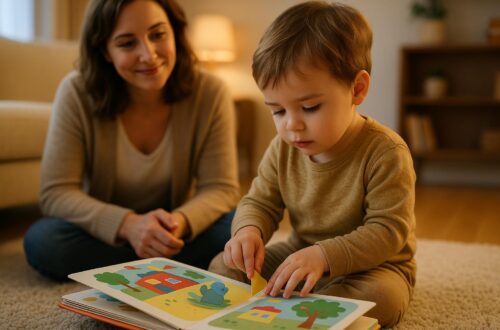
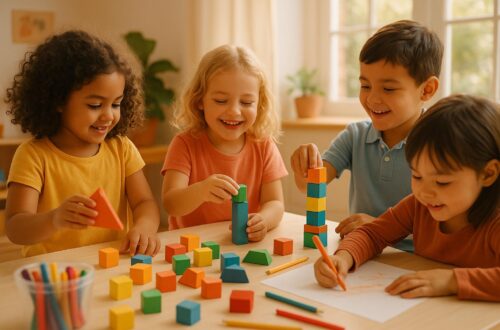
Helping preschoolers become independent is about building confidence, decision-making, and problem-solving skills. Here’s a quick guide to support your child’s growth:
- Teach Self-Help Skills: Start with simple tasks like dressing, brushing teeth, or tidying up. Break them into small steps and use visual aids (charts, stickers) to track progress.
- Encourage Decision-Making: Offer limited choices, like picking between two outfits or snacks. Gradually introduce more complex decisions as they grow.
- Introduce Chores: Assign age-appropriate tasks (e.g., sorting laundry, feeding pets) to instill responsibility and teamwork.
- Support Problem-Solving: Guide without solving. Use open-ended questions to help them think through challenges.
- Create Routines: Consistent daily schedules provide structure, making tasks easier to manage and anticipate.
- Design Child-Friendly Spaces: Organize items at their level to promote independence in daily tasks like dressing or meal prep.
- Involve Them in Practical Life Skills: Activities like cooking, gardening, or simple repairs teach valuable lessons and build confidence.
The key is patience and positive reinforcement. Let them make mistakes, celebrate their efforts, and encourage persistence. These small steps help build a foundation for lifelong independence.
Encouraging Independence and Self-Help Skills | Teach. Play. Love. Episode 71
Building Self-Help Skills
Self-help skills are key to fostering independence in preschoolers. When children learn to handle tasks like dressing themselves or brushing their teeth, they gain confidence and rely less on adults. Plus, these skills free up time for more meaningful activities, like playing together or exploring new ideas.
Preschoolers thrive on repetition. Start by guiding them through tasks and gradually let them take over. Teaching clear, simple daily routines helps solidify these skills and builds a sense of accomplishment.
Teaching Basic Daily Tasks
When teaching daily tasks, focus on small, manageable steps. For example, getting dressed can be a great starting point because it offers quick, visible results. Instead of saying, "Get dressed", break it down: "Put on your underwear first, then your shirt." Tackling one step at a time makes the process easier to grasp.
Skip the frustration of teaching shoe-tying right away. Stick with velcro or slip-on shoes, and make it easier for them to identify left from right by adding small stickers or dots inside the shoes. Place the shoes side by side to encourage independence.
Bathroom tasks take time and patience, as every child learns at their own pace. Help them focus on what they can control, like pulling pants up and down, wiping properly, and washing their hands. Equip the bathroom with tools like a sturdy step stool and, if needed, a toilet seat insert for added comfort and safety.
For brushing teeth, let them take the lead with their own toothbrush. Once they’ve had a go, step in to make sure their teeth are thoroughly cleaned. This approach helps establish good hygiene habits while giving them a sense of ownership over the task.
Mealtime can also be an opportunity for independence. Provide child-friendly utensils and encourage simple actions, like pouring their own drinks.
Using Visual Aids for Progress
Visual aids can make learning self-help skills easier by breaking tasks into clear, understandable steps. Picture schedules work wonders for routines like getting ready in the morning or winding down at bedtime. Create a chart with simple images or drawings for each step – wake up, brush teeth, get dressed, eat breakfast. Laminate the chart and use velcro dots or magnets so they can move pieces as they complete tasks.
Sticker charts are a fun way to reward effort and progress. Celebrate attempts as well as successes. For instance, if they manage to put on their shirt but struggle with buttons, they still deserve acknowledgment for trying. Use different stickers or stamps to mark milestones – blue for effort, gold for completing a task on their own.
Before and after photos can motivate kids for tasks like tidying up. Take a picture of their room when it’s clean, and use it as a reference when it’s time to put toys away. Many children respond better to visual examples than verbal instructions.
Keep visual guides at their eye level to make them easy to use. A handwashing poster by the sink or a tooth-brushing sequence near the mirror can serve as gentle reminders. You can make these guides more engaging by including photos of your child demonstrating each step.
Tracking progress visually can also inspire motivation. Use a calendar where they can add stickers or drawings to mark successful days. Seeing their progress over time reinforces their achievements and encourages them to keep going.
For visual aids to be effective, they should be simple, clear, and easy to access. Avoid overwhelming designs or too many steps at once. Start with basic tools and add more detail as your child becomes comfortable with each task. The goal is to build independence while keeping the process stress-free and enjoyable.
Building Decision-Making in Daily Routines
Helping preschoolers develop decision-making skills boosts their confidence and sharpens their thinking. When kids are given the chance to make choices, they learn to evaluate options and feel a sense of control over their actions. While self-help skills foster independence, decision-making empowers children to shape their daily routines in meaningful ways.
Teaching these skills takes patience and a bit of planning. Start small, with simple choices, and gradually expand as your child grows. These early decisions lay the groundwork for tackling more complex situations down the road.
Offering Simple Choices
Start by giving your child easy, manageable options. Stick to two or three choices at a time to avoid overwhelming them.
When presenting options, use clear, straightforward choices. For example, instead of asking, "What do you want to wear today?" say, "Would you like to wear your red shirt or your blue shirt?" This keeps the decision simple while allowing your child to feel in control.
Everyday routines are perfect moments for practicing decision-making. Let your child pick a seat for breakfast, choose between two outfits for school, or decide whether they’d like an apple or crackers for their snack. At bedtime, offering a choice of which book to read together can make the experience more enjoyable and soothing.
It’s also important to clarify what is – and isn’t – up for debate. For example, if wearing a coat outside is non-negotiable, don’t ask if they want to wear one. Instead, offer a choice between two suitable coats.
Gradually Adding More Complex Decisions
Once your child is comfortable with basic choices, you can move on to slightly more involved decisions. Gradually increase the complexity while keeping clear boundaries. For instance, you might let them help plan an activity or make small decisions during grocery shopping, like choosing between two types of fruit.
Activity planning is a great way to teach kids to think ahead. Instead of giving them free rein over the entire afternoon, offer two options, such as, "Would you like to go to the playground or do a puzzle together?" This helps them consider their interests while factoring in practical details like time and weather.
Play can also be a low-pressure way to practice decision-making. Board games and storytelling allow children to explore how different choices lead to different outcomes without any real consequences.
Letting natural consequences play out can be a powerful learning tool. For example, if your child insists on wearing shorts on a chilly day, let them experience the cold rather than stepping in to prevent it. These moments of real-life feedback often teach lessons better than words can.
Encourage reflection after decisions are made. Ask questions like, "How did that work out?" or "What would you do differently next time?" This helps your child connect their choices to the outcomes, reinforcing their learning.
The ultimate goal is to help your preschooler build confidence in their ability to make sound decisions. With consistent opportunities to practice in age-appropriate ways, they’ll develop the problem-solving and critical thinking skills they’ll rely on throughout their lives.
Teaching Responsibility Through Chores
Introducing simple chores to preschoolers is a great way to build their sense of responsibility and pride in contributing to their home. Just like self-help tasks, chores empower your child by making them feel like a valued member of the family. This sense of responsibility also reinforces the decision-making skills they’ve been developing, further solidifying their role in the household.
Chores teach kids that everyone in the family has a part to play. Unlike choosing between snacks or outfits, chores show them how their actions directly help others. This understanding lays the groundwork for empathy and cooperation that will benefit them throughout their lives.
Start with small tasks and channel their natural enthusiasm into helping out. Preschoolers are often eager to assist, and by creating positive experiences around chores, you can encourage habits that stick.
Age-Appropriate Chores
Three-year-olds can handle simple tasks like putting clothes in hampers, carrying plates to the table, or tidying up toys. These activities help them learn that "everything has a place."
Four-year-olds can take on slightly more challenging responsibilities. They might set napkins on the table, sort laundry, or feed pets with some supervision. Matching socks or organizing small items are also great ways to keep them engaged.
Five-year-olds are ready for tasks that require a bit more coordination. They can clear dishes, water plants, or organize shelves within their reach. Dusting low surfaces with a microfiber cloth can also give them a sense of accomplishment.
The bathroom offers plenty of opportunities too. Preschoolers can put their toothbrush back in its holder, hang up their towel, or help wipe down the sink. These small tasks reinforce both routine and hygiene.
Outdoor chores are perfect for active kids. Activities like collecting sticks in the yard, helping plant seeds, or carrying lightweight items to the car combine fresh air with meaningful contributions.
Every child has unique strengths, so tailor chores to what your preschooler enjoys or excels at. Some kids may be better with fine motor tasks, while others might shine in activities that require memory or organization. Pay attention to what naturally interests them.
Using Positive Reinforcement
Just like with decision-making, using specific praise can reinforce the importance of chores. Highlight their efforts with comments like, "You picked up every block – great focus!" This kind of encouragement motivates them to keep trying, even if the results aren’t perfect.
Be specific with your praise. Instead of a generic "good job", describe exactly what they did well: "You remembered to hang up your towel after your bath. That helps keep the bathroom neat!" This helps them understand which actions to repeat.
Visual progress tracking can also be effective. Use simple charts with stickers or checkmarks, or create a "helping hands" poster where they add handprint stickers for completed chores. Seeing their progress makes their contributions feel more tangible and rewarding.
Celebrate milestones when they master a new chore or complete tasks consistently for a week. Rewards like choosing the family movie or spending special one-on-one time can mean more to them than material prizes.
Avoid punishment, and offer gentle reminders when needed. If your child forgets a task, approach it with patience. For example, if they forget to feed the fish, you might say, "The fish looks hungry. Let’s feed him together today, and tomorrow you can try to remember on your own." This keeps the experience positive while reinforcing the routine.
Connect chores to family values. Explain how their efforts help everyone: "When you put your toys away, it makes the living room a nice place for all of us to relax." This shows them that chores aren’t just rules but meaningful ways to care for the family.
Model enthusiasm for your own chores. When kids see parents tackling household tasks with a positive attitude, they’re more likely to adopt the same mindset. Saying things like, "I feel great when the kitchen is clean and organized", can help them understand that maintaining their environment is satisfying.
Consistency is more important than perfection. Some days your child will jump into their chores with excitement, and other days they might need a little extra encouragement. Every chore they master is a step toward greater independence.
Building Problem-Solving and Resilience
Helping your preschooler develop problem-solving skills and resilience is an essential part of their growth. These abilities go hand in hand, preparing them to navigate the everyday challenges they encounter. When kids work through obstacles on their own, they gain confidence that helps them tackle bigger challenges as they grow.
Unlike chores or structured tasks, opportunities for problem-solving often pop up unexpectedly. It might be something as simple as struggling to reach a toy, feeling stuck while working on a puzzle, or being frustrated when a block tower tumbles down. These moments are golden opportunities for learning. The goal isn’t to step in and fix every problem but to equip your child with tools to face difficulties and build the perseverance – or “grit” – needed to stick with tough tasks.
Here are some practical ways to guide your child toward solving problems on their own.
Guiding Without Solving
When challenges arise, your response can help your child develop resilience. Here’s how:
- Give them space to figure it out. When you see your child struggling, hold back from jumping in right away. Letting them wrestle with frustration for a bit encourages independence.
- Ask open-ended questions. Instead of providing answers, prompt them to think with questions like, “What do you notice about this piece?” or “Where else have you seen that shape?” This approach encourages observation and creativity.
- Offer simple choices. Gently guide them by presenting options like, “Do you want to turn that piece around, or should we try a different one first?” This keeps them in charge while nudging them in the right direction.
- Reassure their efforts. Use phrases like, “Do you want help, or would you like to keep trying?” This validates their persistence while letting them know it’s okay to ask for assistance.
- Introduce manageable challenges. Choose tasks that are slightly above their current skill level – just enough to stretch their abilities without overwhelming them. For example, a puzzle with a few more pieces or a building project requiring a bit of planning can help them practice handling frustration.
- Model problem-solving during play. If they’re struggling with blocks, you might build a similar structure nearby and comment, “I’m putting the big blocks on the bottom to make it sturdy.” Then encourage them to try their own way.
- Acknowledge the difficulty. Recognize their effort by saying, “That looks tricky, but I see you’re working hard.” This helps them understand that challenges are a normal and valuable part of learning.
"The wider the range of possibilities we offer children, the more intense will be their motivations and the richer their experiences."
– Loris Malaguzzi
Praising Effort Over Outcomes
Once your child overcomes a challenge, how you respond can reinforce their resilience.
- Highlight their effort. Instead of focusing solely on the result, emphasize the work they put into the task. This teaches them that effort is more important than natural talent.
- Be specific with praise. Replace generic compliments with detailed feedback like, “You tried different ways until you found what worked. That’s great problem-solving!” This helps them understand what actions are worth repeating.
"I’m so proud of you for sticking with that even when it got hard."
– Alexandra Levine and Laura Philips, Writer and Clinical Neuropsychologist
- Celebrate persistence. When you see them work through frustration, acknowledge it: “I noticed you felt upset when that didn’t work, but you took a deep breath and tried again. That shows real determination.”
- Normalize mistakes. Teach them that failure is part of learning by asking, “What do you think you could try differently next time?”
"Be sure to praise effort and work put into something rather than just praising success. If you only praise success, your children will learn to think failure is bad."
– Children’s Dayton
- Connect effort to progress. Remind them of past challenges they’ve overcome: “Remember how hard it was to tie your shoes at first? Now you can do it easily because you kept practicing.”
"Praising your child’s effort helps with the development of grit."
– Alexandra Levine and Laura Philips, Writer and Clinical Neuropsychologist
- Be patient. Letting your child work through challenges can take longer and feel chaotic, but these moments are crucial for building independence and resilience.
Every small obstacle your child overcomes adds to their confidence and problem-solving abilities. Over time, these experiences create a strong foundation for tackling more complex challenges in school and beyond.
sbb-itb-e558fb0
Creating Routines and Clear Expectations
Preschoolers thrive when their days follow a predictable pattern. A clear routine provides a sense of security, allowing them to focus on building independence instead of worrying about what’s coming next. When children understand the flow of their day, they can begin to anticipate tasks and prepare for them on their own.
Consistent routines help preschoolers manage tasks independently by offering structure and clarity. Over time, these routines become second nature, enabling your child to recognize cues and take action without constant reminders. This gradual transition from needing guidance to acting independently is a key step in fostering their growth. Let’s explore how daily schedules and positive reinforcement can further encourage this independence.
Consistent Daily Schedules
Building effective routines starts with understanding your family’s daily rhythm. Many preschoolers benefit from having structured “anchor points” throughout the day – such as morning rituals, mealtimes, and bedtime routines. These consistent moments provide stability while leaving room for spontaneous play and exploration.
For example, your morning routine might include waking up, getting dressed, eating breakfast, and brushing teeth. Similarly, a bedtime routine could involve tidying up, taking a bath, and reading a story. For younger children, like three-year-olds, keeping routines to a few simple steps (around four) makes them easier to follow. Once your child masters these basics, you can gradually introduce new tasks, such as making their bed.
Visual schedules can be a helpful tool for guiding your child through their routine. At the same time, it’s important to allow for some flexibility. If your preschooler needs extra time to wake up in the morning, for instance, adjust the schedule to avoid unnecessary stress. The goal is to create a routine that builds confidence and supports success, not one that feels rigid or overwhelming.
Structured routines not only boost self-help skills but also tie in with decision-making abilities that your child is developing.
Positive Reinforcement for Following Routines
Recognizing and praising your child’s efforts is a powerful way to encourage them to stick to their routine. Be specific with your praise. Instead of saying, “Good job!” try something like, “I saw you put your toys away without being asked – that’s fantastic! You’re really taking charge of your bedtime routine.”
Natural consequences can also motivate your child. For instance, getting dressed quickly in the morning might leave extra time for playing before breakfast. Similarly, a smooth bedtime routine could mean there’s time for an extra story. Simple progress charts can also help reinforce good habits, giving your child a visual reminder of their achievements.
Ultimately, the greatest reward comes from your child’s own sense of accomplishment. As they grow more confident in completing their routines, your role shifts from guiding them step-by-step to cheering them on. This transition shows them that taking initiative is something your family values.
For more tips and resources on creating routines and encouraging independence, visit Brilliant Parenting at https://brilliantparenting.app.
Setting Up Child-Friendly Spaces
Creating a supportive environment goes hand in hand with routines and self-help skills, helping preschoolers build confidence and independence. When children have safe, accessible spaces where they can easily reach their belongings and navigate their surroundings, they naturally feel more capable of managing tasks on their own. Instead of focusing solely on childproofing, aim to design spaces that encourage your child’s ability to handle things independently.
To start, try seeing your home through your child’s eyes – literally. What can they reach? What feels too high or intimidating? Once you have this perspective, you can make practical adjustments to tailor each area of your home to their needs.
Organizing Items at Child Level
Height matters when setting up spaces for preschoolers. Standard furniture and storage can often be out of reach, limiting their ability to access everyday essentials. By bringing items down to their level, you remove barriers to their independence.
Begin with their bedroom. Place a small basket or bin on the floor near their bed for pajamas. Install low hooks, about 30 inches from the floor, where they can hang clothes or backpacks. A small step stool can also help them access slightly higher items, like light switches or bathroom sinks.
In the bathroom, take a two-step approach. Keep daily essentials, like toothbrushes and washcloths, in a low drawer or basket so they can grab them on their own. For items that must stay out of reach, provide a sturdy step stool with safety rails so your child can use it with minimal help.
Clear, labeled storage is another simple but effective tool. Even if your child can’t read yet, picture labels can guide them in organizing their toys, clothes, or art supplies. Clear plastic bins are especially helpful – when kids can see what’s inside, they’re more likely to put things back in the right place.
The kitchen offers great opportunities for fostering independence. Designate a low cabinet or drawer for your child’s items – plates, cups, napkins, and even healthy snacks they’re allowed to grab on their own. This setup lets them help set the table, pour their own water, or grab a snack without asking for assistance every time.
Rotate and simplify the items they have access to. Too many choices can be overwhelming and might discourage them from taking initiative. Keep a manageable number of toys, books, and clothes within reach, and store the rest for rotation. Swapping items weekly or monthly keeps things fresh while maintaining an organized space.
Organizing for Daily Routines
Think about the flow of their daily activities when organizing spaces. Keep morning essentials – like clothes, shoes, and backpacks – in one accessible spot. Group art supplies together in a low cabinet with easy-to-open containers. This thoughtful arrangement helps your child develop a sense of order and makes cleanup feel less daunting.
It’s also important to remember that accessibility doesn’t mean chaos. Choose furniture with rounded corners, secure heavy items to walls, and ensure that anything within their reach is safe for them to handle independently. The goal is to create freedom within clear boundaries – spaces where your child can explore, create, and manage their belongings while staying safe.
Teaching Practical Life Skills
Everyday tasks help preschoolers gain independence and show them that their efforts make a difference. These activities go beyond basic self-care, teaching kids how to contribute meaningfully to their environment while building confidence in their abilities. When you include your child in household tasks, you’re not just showing them how to complete chores – you’re letting them know their help matters and that they can take on real responsibilities.
Focus on tasks that are appropriate for their age and engaging. For instance, a 3-year-old can assist with simple cooking activities. The key is finding a balance: challenging enough to keep them interested but not so hard that it becomes frustrating.
Start with activities that show immediate results. Preschoolers love seeing the impact of their efforts. Folding washcloths or watering plants, for example, gives them a sense of accomplishment and encourages them to take on more. These small tasks pave the way for more detailed activities.
Activities for Everyday Learning
Kitchen tasks are a treasure trove of learning opportunities. Measuring ingredients introduces basic math concepts while improving fine motor skills. Ask them to measure using a 1/4 cup or count out items like crackers or berries. Stirring batter or mixing salad lets them feel involved in meal prep while developing hand strength and coordination.
Pouring activities are a great way to build control and precision. Start with dry items like rice or beans, using small pitchers to transfer them between containers. Once they’re comfortable, move on to liquids. Use child-sized pitchers (6–8 ounces) and have cleaning supplies ready – spills are just part of the learning process.
Simple food prep teaches practical skills and builds confidence. Preschoolers can wash fruits and veggies, tear lettuce, or spread peanut butter on bread. These tasks introduce them to food safety and nutrition while showing them the effort behind meal preparation. Plus, kids are often more willing to eat foods they’ve helped make.
Cleaning and organizing appeals to many preschoolers’ love for order. Sorting silverware, grouping items by size, or tidying up toys helps them practice classification and attention to detail. Provide child-friendly tools like small brooms, dustpans, or spray bottles.
Laundry tasks might seem ordinary to adults, but they’re exciting for young kids. Matching socks strengthens pattern recognition, while folding small towels improves spatial reasoning and fine motor skills. Even loading the washing machine (with supervision) teaches sequencing and following steps.
Gardening activities connect kids to nature while teaching responsibility. Planting seeds, watering plants, and harvesting herbs or vegetables show them how effort leads to results over time. Even if you don’t have a yard, a windowsill herb garden or small container plants can work. Daily care routines help build consistency and nurturing habits.
Simple repair tasks introduce problem-solving and basic mechanical concepts. With guidance, preschoolers can tighten screws with a child-safe screwdriver, organize tools, or help replace batteries in toys. Always prioritize safety, but don’t underestimate their ability to learn with proper supervision.
Choose calm, unhurried times for these activities, and be ready to offer extra time as they learn. Your patience will set the tone, helping them see these tasks as enjoyable rather than stressful.
Focus on the process rather than perfection. If they spill something, praise their effort and help them improve their control. If a towel isn’t folded perfectly, acknowledge their work and gently show them how to adjust it. This approach builds resilience and encourages them to keep trying.
Practical life skills aren’t just about teaching specific tasks – they’re about helping kids feel capable and connected. When a 4-year-old makes their own sandwich or helps sort laundry, they’re not just learning those skills. They’re building confidence, learning to handle challenges, and understanding the value of their contributions to family life.
Conclusion: Supporting Independence Through Intentional Parenting
Helping preschoolers become independent means giving them the tools and confidence to navigate their world. The approaches shared earlier work together to encourage your child’s growing sense of self-reliance.
Teaching self-help skills like dressing and hygiene fosters autonomy. Offering choices in daily routines shows them that their decisions matter. Age-appropriate chores help them see how they contribute to family life. Guiding them through problem-solving builds resilience. Consistent routines provide the security they need to explore, and creating child-friendly spaces removes obstacles to independence. Everyday life skills tie learning to real-world applications. Together, these strategies strengthen one another.
The benefits of encouraging independence go well beyond the preschool years. Kids who develop these skills early often start kindergarten ready to manage their belongings, follow multi-step instructions, and express their needs. These abilities lay the groundwork for both academic and social success.
Progress isn’t always steady – some days your child might embrace new challenges, while other days call for extra support. This ebb and flow is a normal part of learning. Independence grows through practice in a supportive environment, not by expecting perfection. With thoughtful, patient guidance, everyday struggles can become stepping stones toward self-reliance.
Patience is your most powerful tool. When your 3-year-old takes forever to put on their shoes or your 4-year-old spills water while trying to pour, resist the urge to step in right away. These moments of trial and error are where real learning happens. Your calm presence shows them that mistakes are part of the process.
As you watch your child make gradual strides, remember that help is available if you need it. Resources like Brilliant Parenting offer personalized support tailored to your parenting style and family dynamics. With round-the-clock availability and evidence-based advice, tools like these provide practical tips and strategies to guide you as you encourage your child’s independence.
The goal isn’t to create a perfectly self-sufficient preschooler. It’s about nurturing a capable, confident child. By approaching this journey with intention, patience, and consistency, you’re giving your child an incredible gift: the confidence to face challenges and believe in their own abilities.
FAQs
How can I help my preschooler become independent while keeping them safe?
Encouraging independence in preschoolers while keeping them safe is about striking the right balance. Start by establishing clear and consistent boundaries so your child knows what behaviors are safe and acceptable. Use simple, age-appropriate explanations to help them understand potential risks – like why they need to hold your hand when crossing the street or why certain objects shouldn’t be touched.
Give your child chances to make small decisions, such as choosing their outfit or deciding on a snack. These moments help build their confidence and decision-making skills. As they show they can handle responsibility, gradually allow them more independence, but keep an eye on them as needed. Keeping communication open is crucial – encourage your child to ask questions and share their feelings. This not only helps them feel supported but also gives them the confidence to explore their growing independence.
How can I motivate my preschooler to help with chores and follow daily routines?
Motivating a preschooler to take part in chores and daily routines works best when you set clear expectations and stick to a consistent structure. Keep routines simple and easy for them to understand, explaining tasks in a way that aligns with their age and comprehension.
You can make chores enjoyable by turning them into games or playful challenges. Offering positive reinforcement, like enthusiastic praise or small rewards, can go a long way in celebrating their efforts. Tailoring tasks to match their interests or budding skills can also encourage their participation.
Above all, practice patience and stay supportive. Preschoolers are still figuring things out, so focus on their progress rather than aiming for perfection. This approach helps build their confidence and fosters a sense of independence.
How can I help my preschooler make decisions without feeling overwhelmed?
To help your preschooler make decisions without feeling overwhelmed, try offering just two or three simple choices. For instance, you might ask, "Would you like an apple or a banana for your snack?" or "Do you want to wear the red shirt or the blue one today?" This gives them a sense of control while keeping things straightforward.
Be patient and give them the time they need to choose. If they seem stuck, gently explain the options in a calm and supportive way. This method not only boosts their confidence but also nurtures their ability to make decisions, laying the groundwork for future independence.