Sibling conflict is common, but when it becomes frequent or intense, it can harm family dynamics and child development. Research highlights five practical strategies to reduce these conflicts and encourage better relationships:
- Set Clear Rules: Define boundaries around aggression, property respect, and language. Involve kids in creating rules to improve cooperation.
- Teach Conflict Resolution: Show kids how to use "I messages", listen actively, and solve problems collaboratively.
- Reinforce Positive Behavior: Praise cooperative moments and use tools like a kindness jar to encourage teamwork.
- Balance Individual and Shared Time: Spend one-on-one time with each child while also organizing family activities to build connections.
- Use Structured Problem-Solving: Guide kids through fair conflict resolution by acting as a neutral facilitator.
These methods take time and consistency but can transform sibling relationships into lifelong bonds.
How to Stop Siblings from Fighting: Tips for Parents
1. Set Clear Family Rules and Boundaries
Establishing clear family rules helps set expectations and promotes respectful behavior. When kids know what’s expected of them, they’re less likely to push limits in ways that lead to clashes with their siblings.
The most effective rules address three common causes of conflict: aggression, property disputes, and disrespectful language. Start by implementing a "no aggression" policy. This means no hitting, no insults, no threats – essentially, no harmful behaviors of any kind. These boundaries create a safe space where siblings can disagree without fear of emotional or physical harm.
Property respect is another area where boundaries make a big difference. Simple rules like always ask before using someone else’s belongings can prevent a lot of daily squabbles. If a child breaks something that doesn’t belong to them, a natural consequence could be replacing it with one of their own items. This approach helps kids understand accountability.
To manage frustration and prevent escalation, teach siblings to use "I messages." For example, they might say, "I feel upset when you come into my room without knocking." Another essential rule is that "stop means stop." Whether during play or a disagreement, if someone says "stop", everyone must respect that immediately. These straightforward rules offer a solid framework for handling more complicated conflicts as they arise.
"To improve buy-in, parents can have their children help develop rules and expectations, creating a sort of family code that everyone lives by." – BetterHelp Editorial Team
Getting kids involved in creating the rules can make a huge difference. When they help shape the guidelines, they’re more likely to see them as fair and follow them. Consistently enforcing these rules also teaches self-control and helps prevent minor disagreements from spiraling into bigger problems.
It’s also important to explain to your children that these rules are there to protect feelings, belongings, and safety – not to ruin anyone’s fun. A strong foundation of rules makes it easier for siblings to learn and practice advanced conflict resolution skills over time.
2. Teach and Model Conflict Resolution Skills
Teaching children how to handle conflicts peacefully starts with both instruction and example. When parents show effective ways to resolve disputes, kids naturally begin to mirror these behaviors with their siblings. These core skills pave the way for more specific techniques like active listening and working together to solve problems.
Active listening is a key part of resolving disagreements. Encourage your kids to truly focus on what their sibling is saying before responding. This includes maintaining eye contact, avoiding interruptions, and repeating back what they heard to confirm they understood correctly.
Introduce the use of "I statements" to help them express their feelings without placing blame. For example, saying "I feel upset when my toys are taken without asking" shifts the focus to the behavior rather than accusing the other person.
Collaborative problem-solving teaches children that conflicts don’t have to end with winners and losers. Guide them to brainstorm solutions that work for everyone by asking questions like, “What can we do to fix this?” or “How can we avoid this happening again?”
Your own actions are the most powerful teaching tool. Demonstrate calmness, active listening, and a focus on solutions during your own conflicts. Kids notice and imitate these behaviors in their interactions.
It’s best to teach these skills during calm moments, not in the heat of an argument. Family meetings or casual conversations are great opportunities to practice. You can even role-play different situations to help your children feel more comfortable using these techniques when real conflicts arise.
Keep in mind that learning to resolve conflicts takes time. Younger children may need frequent reminders and extra guidance, while older kids can gradually take more responsibility for solving their disagreements. Regular practice during peaceful moments helps build a strong foundation for handling conflicts effectively.
3. Focus on Positive Attention and Reinforcement
Studies have shown that consistent positive reinforcement can significantly reduce sibling disputes. Kids naturally crave their parents’ attention, and when they don’t receive it in positive ways, conflicts between siblings can escalate. The idea is to turn this around by actively noticing and celebrating the good interactions they share. This not only encourages better behavior but also helps create a more harmonious environment.
Clinical psychologist Stephanie Lee, PsyD, highlights the importance of this balance:
"For every time you catch them fighting, you want to catch them playing nicely together three to five more times. We want to encourage that in order to really change their behavior."
So, if you step in to resolve arguments twice in one day, aim to acknowledge cooperative behaviors six to ten times. You might be surprised how often these positive moments occur – they just need to be noticed.
When you see your kids sharing, taking turns, or helping each other, offer immediate and specific praise. For example, say, "I love how you helped your sister with her puzzle!" This kind of timely recognition reinforces those behaviors and makes them more likely to happen again.
You can also encourage your children to recognize each other’s kindness. If one says, "Mom, Jake let me borrow his toy", celebrate that moment. A fun way to reinforce this is by creating a family reward system, like a kindness jar. Each time someone notices or reports a kind act, add a token to the jar. Once it’s full, the whole family can enjoy a reward together – maybe a pizza night or a movie outing. This shared goal fosters teamwork and mutual appreciation.
In addition to group recognition, giving each child one-on-one time is crucial. Even 15 minutes of undivided attention can reduce their need to compete for your focus. Whether it’s reading a book, playing a quick game, or just chatting, these moments help them feel valued individually.
Finally, help your kids see the good in each other by asking questions like, "What’s something nice your brother did today?" or "What’s an activity you both enjoy doing together?" This shifts their perspective from rivalry to connection, without creating unnecessary comparisons or labels.
sbb-itb-e558fb0
4. Schedule Individual and Shared Quality Time
Balancing one-on-one time with family activities can go a long way in easing sibling rivalry. This approach ties in well with setting clear rules and teaching conflict-resolution skills, as it nurtures both personal growth and family unity.
Spending individual time with each child – even just a few minutes – can make a big difference. These moments help each child feel valued and understood, reinforcing their sense of importance within the family. It could be as simple as a quick chat about their day or engaging in an activity they enjoy.
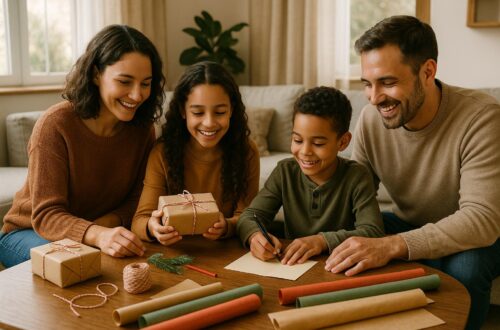
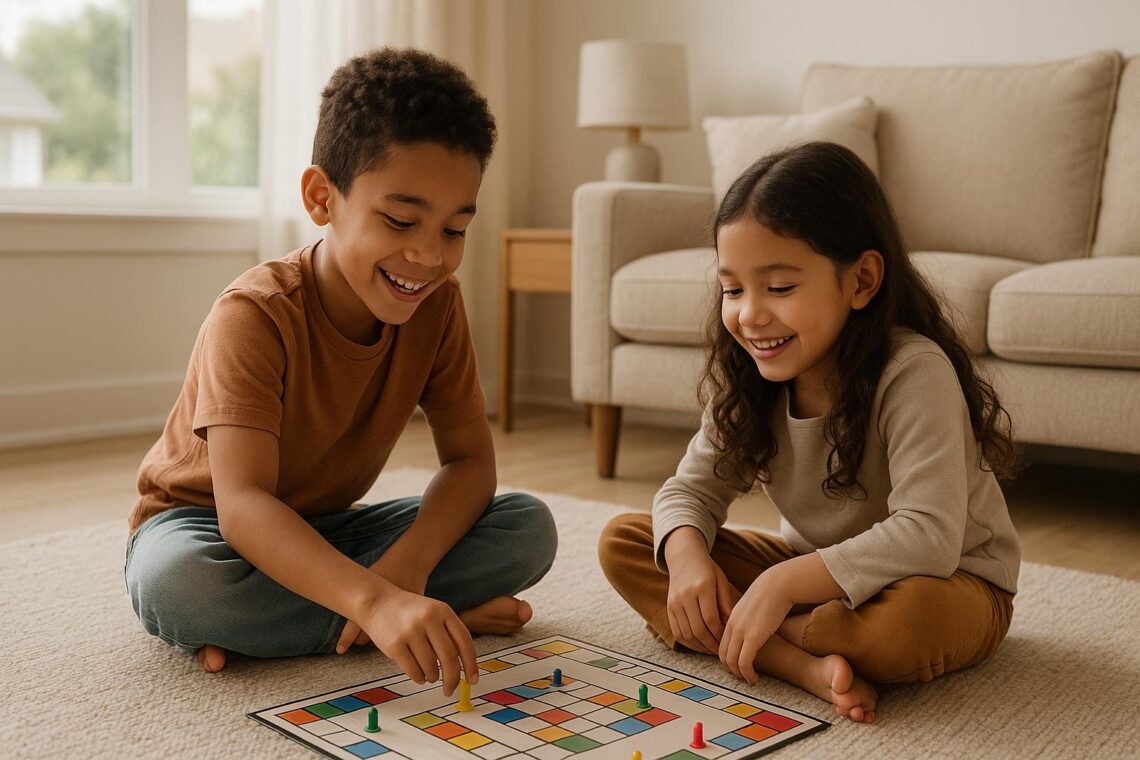
Equally essential is carving out time for shared family experiences. Group activities, like playing games, cooking together, or going on an outing, help children bond and see each other as teammates rather than competitors. These shared memories build a sense of connection and cooperation.
Creating a routine for both individual and group time ensures that no one feels left out. It also sets clear expectations, reducing the need for children to compete for your attention. To keep things fair, consider rotating roles during family activities. This not only teaches turn-taking but also ensures everyone feels included and appreciated.
5. Use Structured Problem-Solving and Turn-Taking Tools
Building on earlier conflict resolution techniques, a structured mediation process introduces clear steps for resolving disagreements fairly. This method turns conflicts into opportunities for learning and growth. Using turn-taking systems and family meetings helps organize discussions while reinforcing skills like active listening and empathy.
At the heart of this approach is parent-guided mediation. Instead of imposing solutions or taking sides, act as a neutral facilitator who ensures every child has a chance to speak. This prevents older siblings from dominating and encourages younger ones to share their thoughts confidently.
Start by gathering your children and laying out ground rules – no interrupting, no name-calling, and everyone gets a turn to talk. Encourage each child to explain their perspective, focusing on understanding rather than assigning blame. For instance, after one child shares, ask the other to repeat what they heard. This simple exercise strengthens listening skills and fosters empathy.
Another essential part of this process is validating your children’s feelings. Even if the issue seems trivial to you, acknowledging its importance to them matters. Try "parroting back" their emotions to help them articulate what they’re feeling. For example, you might say, "It sounds like you felt frustrated when your brother didn’t share the game." This not only clarifies their emotions but also shows you’re paying attention.
Once everyone has shared, guide your children to brainstorm solutions without dictating the answers. Ask open-ended questions like, "What do you think would help solve this problem?" or "How can we make sure this doesn’t happen again?" Let them take the lead while you provide guidance and evaluate their ideas.
This process removes the idea of winners and losers. When kids feel heard and play a role in finding solutions, they’re more likely to honor the agreements they’ve made. Plus, the skills they develop – negotiation, empathy, and collaborative problem-solving – will benefit them far beyond sibling disputes. Regular family meetings also create a safe space for ongoing communication, addressing small concerns before they grow into bigger conflicts.
Integrating this structured approach into your family routine can help keep disagreements from spiraling out of control. It’s a practical way to build stronger relationships and foster a more harmonious household.
Using Brilliant Parenting for Continued Support
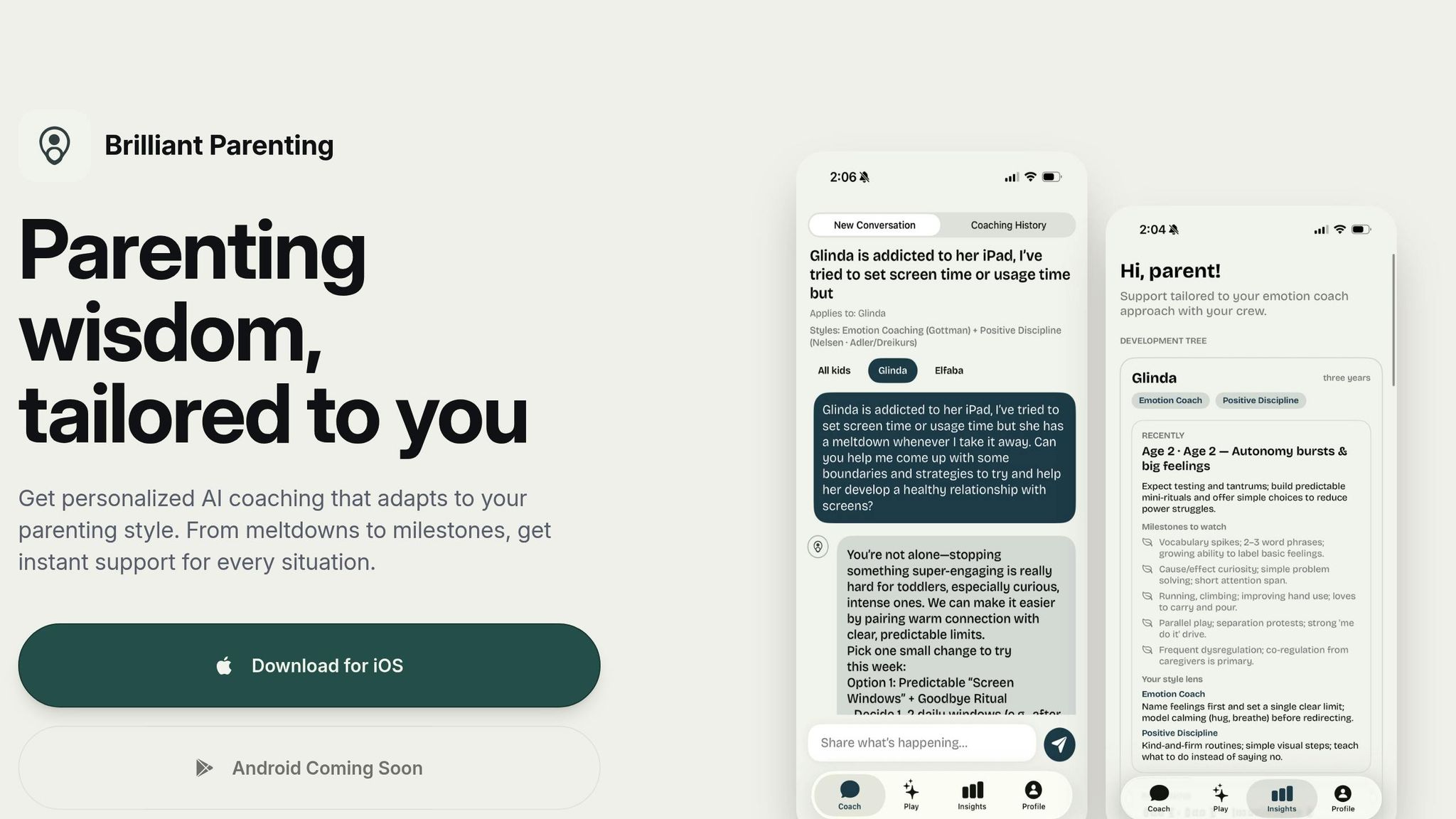
To strengthen your parenting strategies, having consistent support can make all the difference. Even after applying conflict resolution techniques, parents often benefit from ongoing guidance. That’s where Brilliant Parenting steps in, offering personalized AI coaching designed specifically for families with multiple children. This platform builds on proven, research-backed strategies to help you navigate the ups and downs of parenting.
Brilliant Parenting provides tools like multi-child support, practical conversation scripts, and round-the-clock availability. It all begins with a quick onboarding quiz that identifies your parenting style from seven distinct categories. From there, the platform tracks your child’s development, offering advice tailored to your family’s unique needs and challenges.
With its customized guidance and 24/7 accessibility, Brilliant Parenting serves as a reliable partner in your parenting journey, complementing the techniques you already use.
Conclusion
The strategies outlined above offer practical ways to reduce sibling conflicts and create a more harmonious home environment. By setting clear family rules and boundaries, you’re giving your children a framework for respectful interactions. Teaching them how to resolve conflicts equips them to handle disagreements on their own, while positive reinforcement encourages the behaviors you want to nurture.
Balancing individual attention with shared family time addresses a key factor behind sibling rivalry: the competition for parental attention. When children feel secure in their unique bond with you, they’re less likely to see their siblings as rivals. Using structured problem-solving tools helps families tackle challenges together, turning conflicts into valuable teaching moments.
Consistency and patience are crucial with these approaches. Change takes time, and the goal isn’t to eliminate all disagreements – some conflict is natural and can teach important life skills. The focus should be on reducing the intensity of arguments and encouraging respectful, independent problem-solving.
Start small by adopting one or two strategies that fit your family’s needs, then gradually add others as they become second nature. Over time, these methods can transform daily routines, fostering stronger sibling bonds that can stand the test of time.
FAQs
How can I get my kids involved in creating family rules to reduce sibling conflicts?
Creating family rules is a great way to encourage harmony at home. Pick a quiet time to sit with your kids and talk about setting some ground rules for behavior. Focus on things like avoiding physical or verbal aggression and respecting each other’s belongings. Make it a two-way conversation – explain why these rules matter and invite their suggestions. Let them know they don’t have to be best friends, but treating each other with kindness and respect is non-negotiable.
When kids are involved in making the rules, they’re more likely to understand and stick to them. Be sure to agree on clear consequences for breaking the rules and stay consistent in enforcing them. This approach can help keep your home a more peaceful and cooperative place.
What are some effective ways to use positive reinforcement to improve sibling relationships?
Positive reinforcement is an effective way to encourage siblings to interact more positively. When you acknowledge specific acts of kindness or teamwork, it helps kids feel valued and inspires them to repeat those actions. For instance, saying something like, "It was so thoughtful of you to share your toy with your brother!" can make a big difference.
Another idea is to introduce small rewards that highlight the benefits of working together. For example, you could let them pick a fun family activity after they collaborate on chores or handle a disagreement peacefully. Celebrating these moments not only strengthens their bond but also shows that positive behavior can lead to enjoyable experiences.
How can I give each child enough attention while fostering strong family bonds?
Balancing personal attention with shared family moments can go a long way in easing sibling rivalry. Make it a priority to spend quality one-on-one time with each child, ensuring they feel appreciated and understood. Alongside this, organize fun family activities that encourage connection and teamwork, helping everyone feel like part of a unified group.
To keep conflicts at bay, establish clear expectations for respectful behavior and ensure every child has access to their own time and space when they need it. This thoughtful approach fosters a more supportive and peaceful family dynamic.