Want your kids to do more on their own? Try these six easy steps. Let them pick small things, give them simple jobs to help, keep to a steady plan, let them fix little problems, teach them to speak for themselves, and say kind words when they try hard. Doing these small tasks each day can help kids feel strong, learn needed skills, and feel safe as they grow to stand on their own.
Main ideas:
- Let them choose: Give kids two things to pick from so they can learn to make choices.
- Jobs help: Give kids jobs that fit their age. Doing work makes them feel they can help.
- Plans give order: Having a set time for things each day helps kids feel safe and learn to be in charge.
- Let them fix things: Kids feel good when they try to solve problems by themselves.
- Teach to speak: Show kids how to talk in a kind and clear way so they can ask for what they need.
- Praise their work: Say “good job” when they try, not only when they win, so they keep going even when it’s hard.
How to Raise Independent Kids: Positive Discipline Tips for Parents
Simple Steps to Help Kids Learn to Do Things Alone
To help kids do things by themselves, start with three main things: love, clear rules, and choice. These are like the legs of a strong chair. If one is missing, the chair tips or falls. Kids must feel loved and safe, know what is hoped for each day, and get chances to pick for themselves. When these are in place, kids have the best base to try new things and face hard times.
To help kids stand on their own, give them simple rules, stay kind, and let them mess up sometimes. These simple ideas tie right in with good ways of raising kids who trust themselves.
How Being Kind and Firm Helps Kids Stand on Their Own
Being kind as you teach your kids helps them learn to do things alone. Use words to cheer them on, not blame. If you lay out what you want and help them in a soft, strong way, they will believe they can do it and not feel afraid. This type of help lets them trust themselves and grow the will to do well, not to avoid being told off, but because they care.
Gentle teaching is key. When a child slips up, use it to teach, not to make them feel bad. This shows mistakes are part of the road, not the end.
Set clear hopes, so your child knows what to try for. Clear rules help them go after their own goals. At the same time, cheers for their work matter a lot. Don’t just say, "Great work!" when your child ties their shoe. Try, “You kept at it even when it was hard. You did it!" These words shine a light on the try, not just the win. Kids learn sticking with things is what counts.
Mixing Being Firm and Going with the Flow Each Day
A strong but soft set of daily things to do helps kids learn well. Set steady rules but let them pick how to meet them. Some things, like brushing teeth, doing school work, or eating, must happen every day. But let them show how they do these things – this helps them try, pick, and solve problems.
Having set times for things makes kids feel safe. When kids know what will come, they can put their minds on learning, not guessing what’s next. A daily plan is like a soft bed – it keeps them safe as they go out and try.
But too many rules can keep kids from learning on their own. If you run every part of the day, kids may wait on you to act. By being both clear and open at the same time, you help. For one, your child should tidy up their room on Saturday, but let them pick if they want to start early or later. They can get school work done before fun time but choose which place to sit while they do it.
Give clear rules, watch out with love, and let kids choose some things. When you do this, you help them learn, try, and grow strong inside.
This way helps kids learn that some rules are set and must be followed, but some can be shaped by them. Kids see how to live with rules and still make their own choices. Step by step, they understand which rules are there to keep them safe, and which ones let them show who they are.
This plan is to make time and steps that help kids be more free, not less. When kids feel safe and have some choices each day, they start to feel sure they can face new things as they get older.
6 Daily Habits to Build Independent Children
Daily habits help kids learn to do things on their own. These six simple steps can help kids grow strong and sure of themselves, with kindness, clear rules, and smart picks built in.
Let Children Make Choices
Let your child choose what they wear or eat, if it fits their age. Let your 3-year-old pick a shirt from two you set out, or let your 7-year-old pick apples or crackers for a snack. Your 10-year-old can pick which homework to do first. These picks tell them they count.
Keep it simple, though. Give small kids just two things to choose from so they don’t get lost or upset. If you feel rushed in the morning, set out two outfits the night before, instead of asking what they want to wear. As kids get bigger, you can let them choose from more things.
Kids learn from the choices they make. If they wear shorts on a cold day, they will feel cold and might pick pants next time. These moments teach them what can happen when they make choices.
Give Children Meaningful Chores
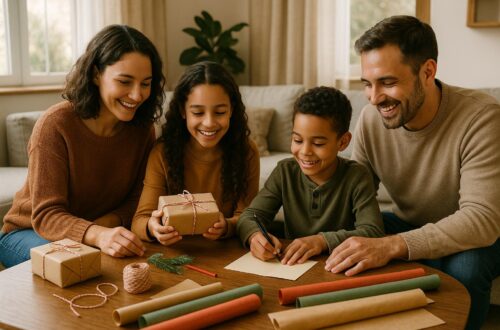
Chores should not seem like a bad thing. They should be part of home life. Give your child jobs they can do, like a 5-year-old sorting forks and spoons or matching socks, or an 8-year-old packing a lunch or watering plants. When kids do chores, they feel good and needed.
Do not fix their work in front of them. If your child makes a bed and it is not just right, leave it. If you redo it now, they may feel like their help is not good. Thank them for helping. You can fix it later, but do it when they are not nearby.
You may use a chart to show chores, but don’t make chores just about prizes. The real win is feeling proud and working together. Some families give stickers, or sometimes just talk together about who does what and how it feels.
Create Predictable Daily Routines
Routines help kids know what comes next, so their day feels clear and safe. If dinner comes, then bath, then book, then sleep, they can get set without you always telling them. This helps them plan and learn to take care of themselves.
Put the routine where kids can see it. Little kids can use a chart with pictures; bigger kids can use a list with words. A morning list may be: wake up, brush teeth, get dressed, eat, and grab the bag for school.
Stay loose and calm. Sometimes things change – maybe you are late, someone is sick, or you have a fun event. Routines should help, not make stress. If your child forgets to pick out clothes at night, help them pick quick in the morning. Don’t make it a big deal.
Start small. Most homes find it is best to begin with a night time routine before you add more, like morning or after-school routines.
Let Kids Fix Problems Alone
Try not to jump in fast when your child meets a hard spot. If they look for a lost toy or try to work out a puzzle, let them have time to think and try things. Solving problems is a skill that gets better when you do it more.
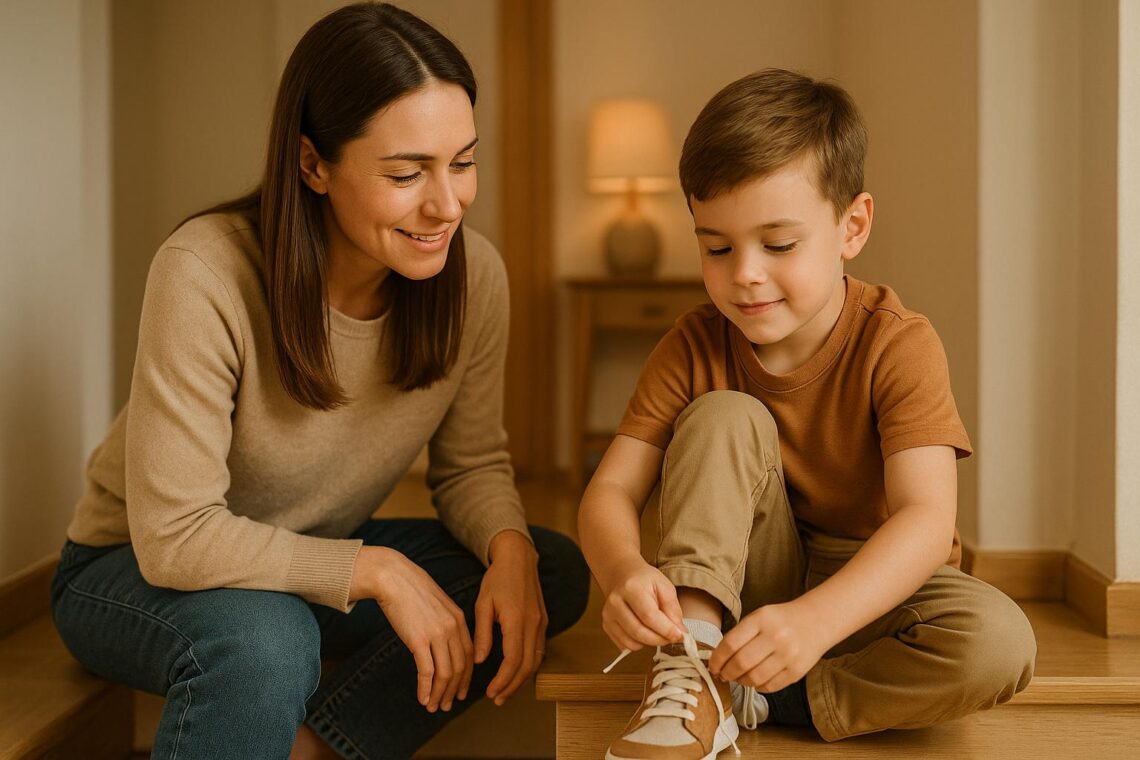
If they are learning a new thing, like tying shoes, show how it’s done a few times, then let them give it a try. Stay close to help if they need it, but let them work at it by themselves. This helps them feel sure about what they do, and they learn to keep going.
Don’t give all the answers. Ask small questions to guide them. For example, if they are stuck, ask, “What did you try?” or “What else might help?” If you do this, they learn to think for themselves.
Sometimes, you do need to step in. If the problem is too hard or they get sad, help them find what might work. Try saying, “Let’s look at the math question again and see how we can solve it.”
Teach Kids to Speak for Themselves
Start at home with easy practice. Pretend you are the teacher or a friend and let your child ask for help or say they do not want to play a game. These talks help your child get ready for the real world.
Pick times that are not too hard. Let your young child ask the shop person for the red balloon, or let your older child ask the book person where to find books about dinosaurs. These short talks help build strong skills for big talks later on.
Show them nice, simple words like “Excuse me, I need help” or “Can you please help me?” And when they can talk on their own, like ordering food, let them do it. Even if it takes time, let them speak for themselves.
Use Praise, Not Criticism
Look at how hard they try, not just how it ends. So, instead of saying “Good job!” when they finish school work, say, “I saw you kept working even when it was hard.” This helps them see that trying is important.
When they make mistakes, use them to teach. If your child leaves lunch at home, don’t say “You always forget stuff!” but ask, “What could you do to remember lunch next time?” This helps them grow, not feel bad.
Notice when they do things right. If they put dishes away or help a brother or sister, let them know you see this. This makes them want to keep doing good things.
Switch out harsh words with tips that help. If their room is messy, don’t say, “Your room is a mess!” but try, “I see clothes and books all over. What will you do to clean up?” This helps them know what to do, without making them feel low.
Helping kids stand on their own takes time and care. Cheer them on when they try, and show them the way as they learn and grow.
sbb-itb-e558fb0
Ways and Things That Help Kids Do More on Their Own
Helping your child do more by themselves is about more than just saying “do it.” You need to find good ways to help them and keep up your support. With the right tools in place, your child can learn to feel sure about what they can do.
Charts for tracking are simple and work well. Make a chart and hang it where you both can see. Use it to mark things like making the bed, doing homework, or packing food for the day. Your child can see what they finished and know which things are left. This makes small wins clear and real.
Pictures and lists help a lot too, and you can pick the kind that suits your child’s age. Little kids might like a chart showing pictures for each part of their day – wake up, wash, eat, play. Older kids might just use a list, or even keep track with their phone. These help kids know what needs to get done.
Let kids practice at home. Pretend you’re out eating, and let your child order for themself. Act out asking for help at a store. These quick games can help your child get ready for real-life things. It’s a safe way to build up their skills, bit by bit.
Books or guides can help as well. Read together or find steps you can both try. They show new ways to help your child learn to do things on their own.
Tech can also help and can be part of your plan.
Brilliant Parenting’s Special AI Coach
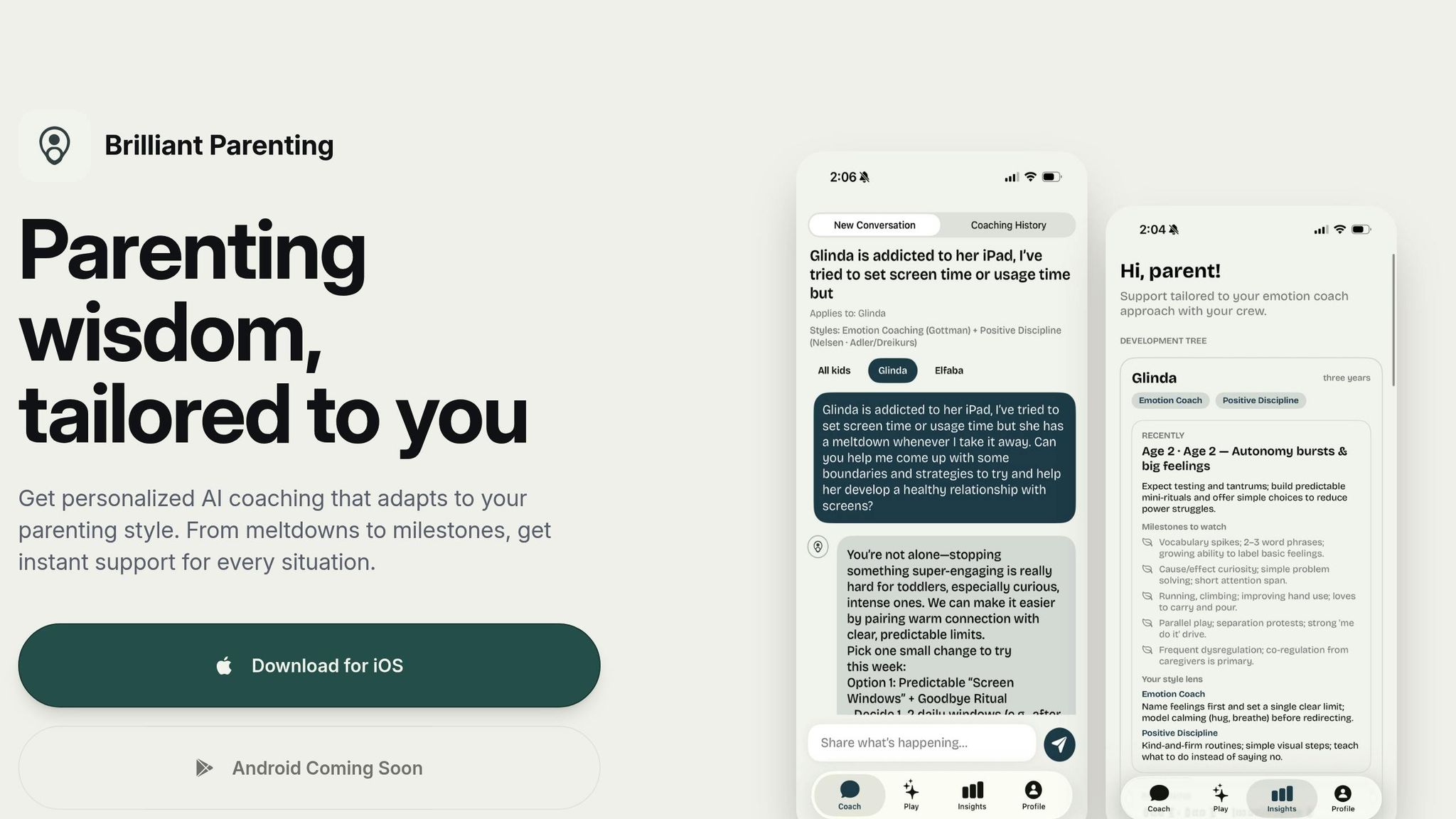
One tool you can use is Brilliant Parenting. It has a smart, AI helper that guides you as a parent. You start with a short quiz that helps match you to one of seven ways to parent. That way, the tips you get fit what feels right for you. The helper joins your routines and focuses on smart choices, solving problems, and growing through real life.
Here is some of what you get:
- Fun games and play ideas that help your child make choices and try new things.
- Easy tracking for big moments – like when your child starts new chores or solves their own problems.
- Help for families with more than one child. You get special profiles that match each child’s age and who they are.
- Care 24/7, with tips from real research you can use any time.
- Simple lines to use when talking with your child, so you can show and teach ways to solve tough spots.
You can try all these things free for a week. This lets you see if the AI coach helps make life better and if your child grows in doing things themselves.
With the right tools, practice, and support, you help your child take steps to do things alone – and know you are there when they need you.
Here is the rewritten text according to your rules:
End: Daily Habits Help Kids Grow On Their Own
Doing these six things each day helps kids do things for themselves. Each habit has its own role, but the real change comes when kids do them again and again. All these steps come from what we talked about before.
If kids do these things every day, it helps them get ready for life. Studies show helping kids learn to be on their own early leads to strong minds, better work in school, and good skills with friends and feelings.
"All of these experiences set a child up for a healthier adulthood", says Emily Edlynn, Clinical Psychologist and Author of Autonomy-Supportive Parenting.
The good things are not just for your child. When your child learns to do things on their own, you will have fewer fights. You and your child will feel closer, and you will talk more instead of always having to say "no" or fix things.
Helping your child do things themselves does not mean that you leave them or want them far away. It means you help them learn what they need to do well. When they learn to deal with hard things, fix problems, and trust what they can do, they start to feel sure of themselves. They believe they can do things for real, not just because you say so. These ways of thinking will last all their life.
These new ways are easy to add to what you already do as a parent. They help make things better for your whole family, now and in the future.
"Good habits, when introduced early, have the power to stick with kids throughout their lives – influencing their physical health, emotional well-being, and overall outlook on life", notes Catherine Rice, Vice President of Marketing/Outreach at Health Partnership Clinic.
If trying to do all these things at the same time seems too much, begin with less. Pick one or two things that work best for your family and go from there. You do not need to do it all or be perfect. What matters most is doing it again and again. Each time you let your child try something hard on their own, you give them more strength and help your family grow closer.
Keep doing these things each day, and use good tools. You are helping your child learn and feel sure about what they can do. You also help make your home a better place, more calm and close for each person.
FAQs
How can I help my child make choices without feeling lost?
To help your child learn how to choose, but not feel too much stress, give them just two or three easy choices that they can pick from. Do not say, "What do you want for lunch?" Instead, ask, "Do you want a ham sandwich or peanut butter and jelly?"
This way, the choices are easy to see, but your child still gets to pick on their own. It helps them feel strong when they make a choice – a big part of learning to do things for themselves.
What jobs can kids do at each age?
Giving kids small jobs helps them learn and grow. Pick easy jobs they can do as they get older. Here are some jobs for kids in different age groups:
- 1-2 years old: Let them help with little things. They can carry light stuff, pick up toys, or try to use a spoon or fork at meals.
- 3-4 years old: Ask them to wash their hands, put dirty clothes in a basket, or help set the table before dinner.
- 5 years old: Kids this age can help more. They can clean their room, put their shoes on by themselves, or follow simple steps each day.
Every kid learns in their own way. Choose jobs that match what they can do and help them feel good about helping out. It is best to keep in mind their skills and how sure they feel when trying new things.