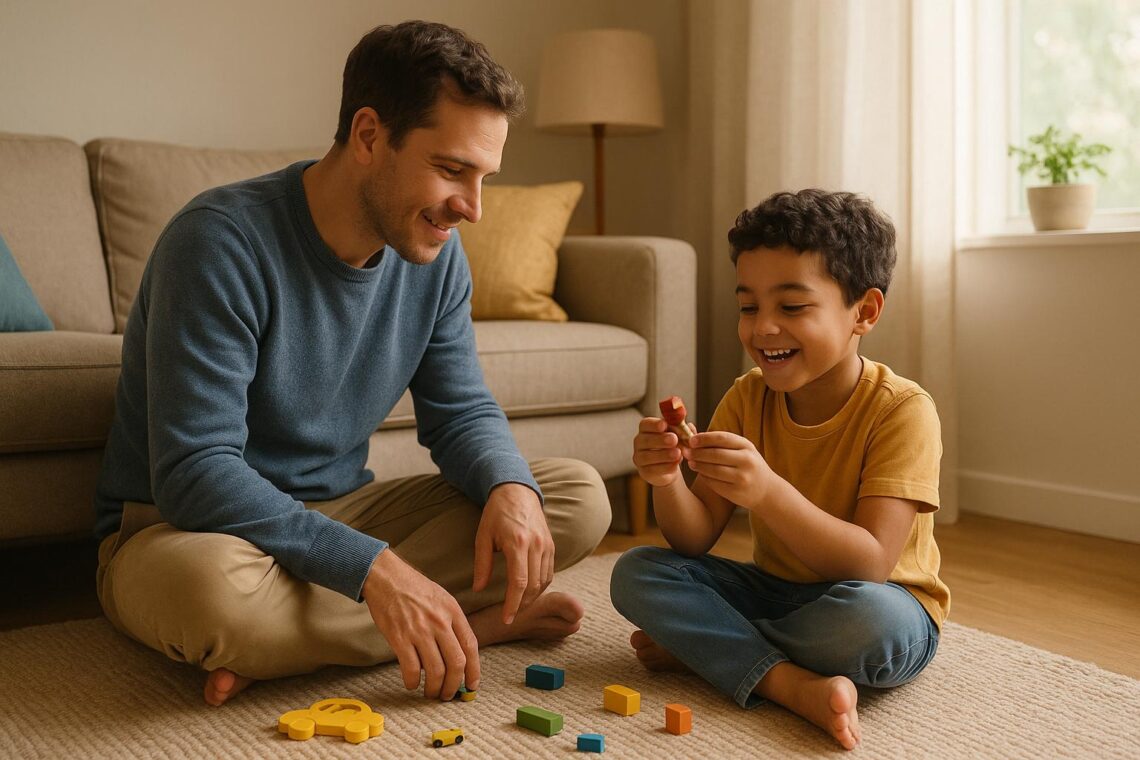
Parents, here’s the bottom line: Giving your kids one-on-one attention is critical for their emotional health, confidence, and family harmony. When you spend focused time with each child, even for just 10–15 minutes a day, they feel valued, secure, and less likely to compete with siblings for your love.
Key takeaways from this guide:
- What it is: Individual attention means undivided, one-on-one time with a child.
- Why it matters: It builds self-esteem, strengthens bonds, reduces sibling rivalry, and curbs behavioral issues.
- Challenges: Busy schedules, work-life demands, and guilt can make it hard to balance attention.
- Solutions: Schedule short daily check-ins, stay present during interactions, and involve siblings in cooperative activities.
Quick tip: Quality matters more than quantity. Even a few minutes of uninterrupted time can make a big difference.
Let’s dive into how you can make this work in your family.
Children Need Individual Attention
Benefits of Providing Individual Attention
Dedicated one-on-one time with each child isn’t just a nice-to-have – it’s a cornerstone of healthy family dynamics. When parents carve out moments to focus solely on one child, the ripple effects touch every aspect of their development. These moments influence how children view themselves, connect with their parents, and interact with siblings.
Building Self-Esteem and Emotional Security
Spending focused time with a child sends a clear message: You matter. This consistent attention helps children feel valued for who they are, building their emotional security and self-esteem. Over time, this sense of worth becomes the foundation for confidence and resilience.
Studies show that children who regularly receive positive attention are less likely to display negative behaviors and more likely to develop a strong self-image. Whether it’s solving a puzzle together, sharing a story, or simply chatting, these interactions show children that their thoughts and feelings are important.
"When children feel seen and understood on a one-on-one basis, they learn empathy." – Bright Learners
Even a short 15 minutes of focused attention daily can nurture empathy and social skills, making a noticeable difference in how children relate to others.
Strengthening Parent-Child Bonds
One-on-one time is like a bridge – it strengthens the connection between parent and child by revealing each child’s unique personality. This deeper understanding fosters trust and emotional closeness.
"Positive attention is a powerful tool. When you give your child positive attention, you are building their self-esteem and confidence, as well as trust and a closer bond with you." – Child Mind Institute
Spending even 20 minutes on a shared activity can create a sense of emotional security and reduce behavioral challenges. These moments not only strengthen the parent-child relationship but also provide a safe space for children to express themselves.
"Investing in regular quality time with your child can result in them generally feeling so much less stressed, more settled, more secure, more confident and hence more willingly cooperative." – Genevieve Simperingham, Founder of The Peaceful Parent Institute
This stronger bond often leads to smoother family interactions, benefiting everyone in the household.
Reducing Sibling Rivalry
Sibling rivalry often stems from competition for parental attention. When each child feels secure in their parents’ love, this competition naturally decreases. Children who regularly experience one-on-one time are less likely to act out aggressively and more likely to cooperate with their siblings.
For example, research from the Peaceful Parent Institute highlights that even brief daily one-on-one interactions can create a more harmonious home environment. Additionally, studies show that when children feel secure in their relationship with their parents, they are less inclined to engage in sibling conflicts.
"Investing in regular quality one-on-one time with your child can result in them feeling more secure and less stressed, which greatly minimizes sibling rivalry." – Genevieve Simperingham, Founder of The Peaceful Parent Institute
Identifying and Addressing Attention Imbalances
Focusing on individual attention within families is essential, but it’s not always easy to spot when things are out of balance. In busy households, children often express their unmet needs through behavior rather than words. By paying closer attention to these signals, parents can step in and address issues before they lead to long-term problems.
Signs of Attention Imbalance
When children feel neglected, they often communicate their feelings through their actions. Behaviors like defiance, emotional outbursts, or withdrawal can be early indicators. A 2025 study revealed that children in multi-child families who felt overlooked frequently displayed disruptive behaviors such as tantrums or excessive talking.
"If children are not getting positive attention, they will settle for negative attention." – Brenner Freeman, MD, Psychiatrist, Banner Health
Physical symptoms like recurring stomachaches or headaches may also point to emotional neglect.
Children who don’t feel emotionally supported might interrupt conversations, act out inappropriately, or become overly clingy. For instance, about 30% of siblings of children with ADHD report feelings of neglect, which can lead to resentment or emotional withdrawal if left unaddressed.
Withdrawal is another concerning sign. If a child suddenly becomes unusually quiet, avoids family discussions, or isolates themselves, it may reflect feelings of being overlooked in the family dynamic. Ignoring these behaviors can lead to more serious challenges over time.
Long-Term Effects of Neglecting Individual Attention
Failing to provide individual attention can have serious consequences for a child’s emotional and physical development. Studies show that children who experience neglect are at higher risk for chronic health issues, such as diabetes and anxiety disorders, later in life.
A lack of attention also disrupts key skills like self-regulation and executive function, which are critical for academic success.
"Neglect adversely affects brain development, leading to lasting behavioral challenges." – Megan Gunnar, Director, Institute of Child Development, University of Minnesota
The mental health risks are significant. Around 6% of children experienced neglect in the past year, and over 15% have dealt with it at some point in their lives. Research from the University of Minnesota highlights the importance of responsive care, showing that children adopted from institutions made notable emotional and cognitive gains when given consistent attention. Similarly, the Bucharest Early Intervention Project found that children placed in foster care before age two showed remarkable recovery in emotional and cognitive development.
Neglect can also harm family relationships. Perceived favoritism may lead to lower self-esteem and heightened anxiety, which can manifest as behavioral problems and strain family bonds. Over time, chronic neglect disrupts brain development, impairing learning, problem-solving, and the ability to form healthy relationships.
Healthy vs. Unhealthy Attention Balance
Striking the right balance in how attention is distributed among children is key. It’s not about dividing time equally minute by minute but ensuring every child feels valued and supported emotionally.
Here’s a breakdown of healthy versus unhealthy attention dynamics:
| Aspect | Healthy Attention Balance | Unhealthy Attention Balance |
|---|---|---|
| Family Dynamics | Each child feels valued and heard | One child dominates interactions, others feel ignored |
| Communication | Open discussions about feelings and needs | Lack of communication leads to misunderstandings |
| Emotional Support | Consistent responses to all children | Inconsistent responses create insecurity |
| Sibling Relationships | Needs are recognized without comparison | Favoritism sparks rivalry and resentment |
| Independence | Encourages age-appropriate independence | Over-dependence or withdrawal develops |
| Reinforcement | Positive reinforcement tailored to each child | Negative reinforcement or neglect dominates |
A healthy balance acknowledges that fairness doesn’t mean treating every child identically. As one father wisely explained to his children, "To treat you fairly, I have to treat you differently".
"Giving equal attention and time to each child is crucial for their self-image and emotional well-being." – Dr. Lozynska Liudmyla Yaroslavivna, Psychiatry & Psychotherapy
Parents can maintain balance by regularly checking in with each child, observing family dynamics for signs of imbalance, and adjusting their approaches as needed. Being aware of personal biases is also essential, as favoritism can have lasting effects on sibling relationships and self-esteem.
sbb-itb-e558fb0
Practical Methods for Balancing Individual Attention
Now that we’ve explored the benefits and challenges of individualized attention, let’s dive into effective strategies to ensure each child feels valued, even within a busy family schedule. These methods are designed to help you carve out meaningful time for each child without overwhelming your routine.
Scheduling One-on-One Time
Making one-on-one time a priority starts with intentional planning. Treat it like any other important appointment by adding it to the family calendar.
"One-on-one time is quality time. This means that your child gets your undivided attention."
– Lisa Reichelt, Parent Coach
Begin with small, manageable sessions – 8 to 15 minutes per child, a few times a week. You could also set aside specific nights where one child gets to stay up a little later for focused time with you. Another idea is the 7-7-7 rule, where you spend seven minutes in the morning, after school, and before bedtime with each child. If conflicts arise, be transparent and reschedule promptly. For instance, one parent of four successfully dedicated Saturday afternoons to individual time with each child.
Making Moments Meaningful: Quality Over Quantity
The value of individual attention lies in being fully present. Focused, meaningful interactions often have a greater impact than long periods of time where your attention is divided. A November 2023 study in the Journal of Family Psychology found that children who experienced engaged, quality interactions with their parents reported a 30% boost in self-worth compared to those who had longer but less attentive interactions.
Turn everyday moments into opportunities for connection. Maintain eye contact, listen actively, and immerse yourself in your child’s chosen activity. Put away devices and minimize distractions to show that this time is dedicated just for them. Letting your child help pick the activity ensures it feels special and engaging. Even routine errands can become meaningful bonding opportunities. While individual time is essential, including siblings in these moments can help foster a sense of teamwork and shared family values.
Involving Siblings in Supportive Roles
Beyond one-on-one time, engaging siblings in cooperative activities can balance attention and strengthen family relationships. Encouraging teamwork among siblings nurtures empathy and builds a sense of shared responsibility.
"Children are keen observers of how they are treated differently from their brothers or sisters."
Plan activities that require collaboration, such as team sports, group art projects, or family cooking sessions. These activities highlight each child’s strengths while rotating roles to ensure everyone feels equally valued. Programs like "More Fun with Sisters and Brothers" have shown that structured cooperative activities can enhance sibling relationships and help develop emotional regulation skills. Research from Penn State University also supports this, showing that cooperative play among siblings fosters stronger bonds and better emotional understanding. Avoid assigning fixed roles or labels, and teach conflict resolution skills to help siblings handle disagreements constructively.
Comparing Different Attention Strategies
Every family is different, so blending various approaches can help you find the right balance.
| Strategy | Description | Benefit |
|---|---|---|
| Scheduled Time | Block specific days and times for one-on-one interactions on the family calendar. | Guarantees consistent, prioritized connection. |
| Spontaneous Interactions | Use brief, unscheduled moments during daily routines (e.g., while cooking or running errands). | Adds flexibility and fits naturally into busy schedules. |
Resources for Modern Families
Juggling one-on-one attention in families with multiple children can feel like a Herculean task, especially with the packed schedules and endless to-do lists of modern life. Thankfully, tools like Brilliant Parenting are stepping in to make things a little easier. This platform uses personalized AI coaching and interactive features to help parents spot attention gaps and carve out meaningful one-on-one moments with their kids.
How Brilliant Parenting Can Help
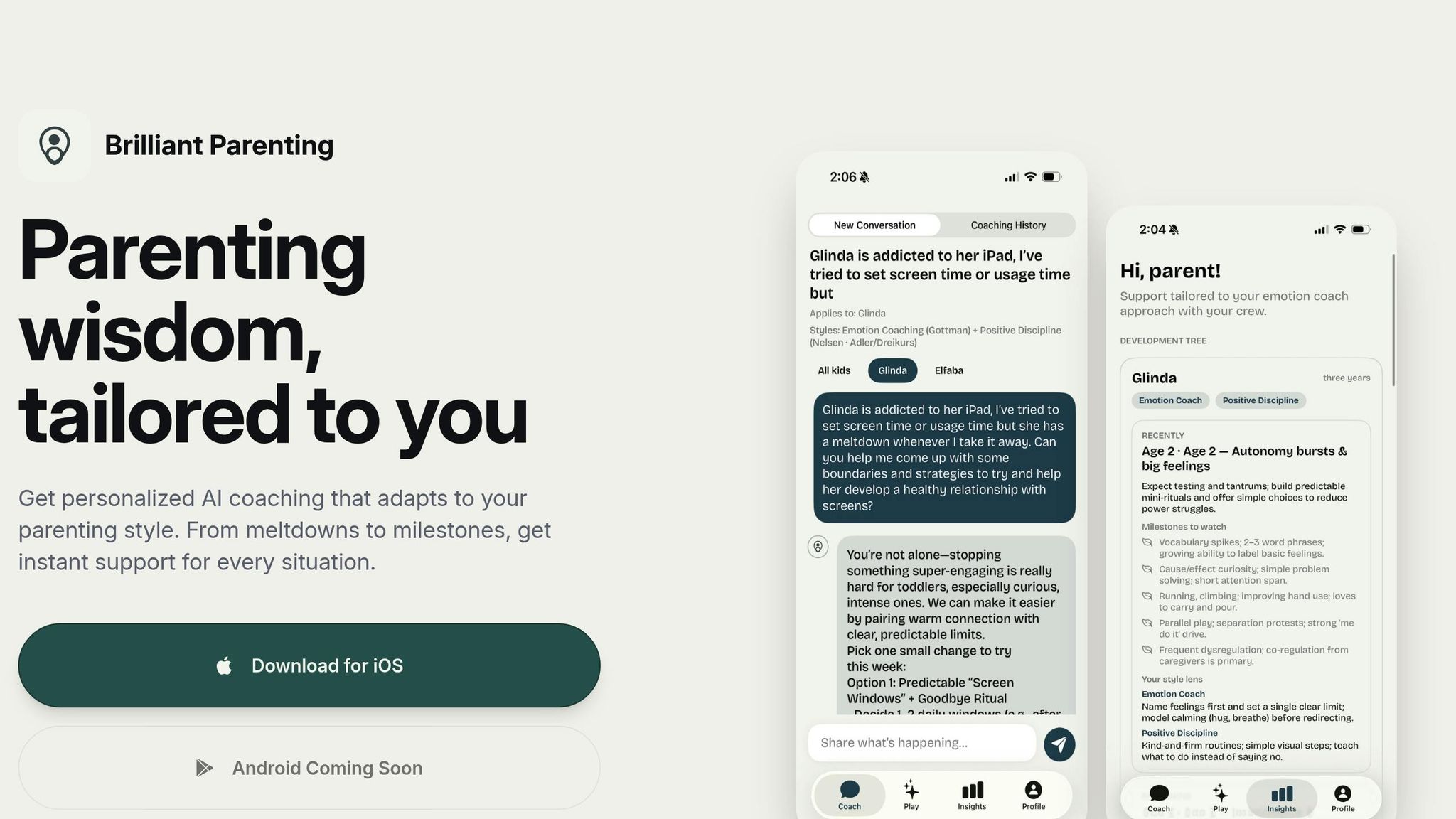
Brilliant Parenting is designed with the complexities of multi-child households in mind. Its personalized AI coaching tailors strategies to fit your family’s unique dynamics, using evidence-based parenting methods as a foundation. Whether you’re dealing with a child who constantly interrupts or struggling to ensure each sibling gets quality time, the platform offers real-time, practical solutions to help.
One of its standout features is the ability to support multiple children simultaneously. It lets parents track each child’s individual needs and developmental milestones, ensuring no one gets overlooked. Plus, the platform includes a treasure trove of play ideas, offering age-appropriate activities that make one-on-one time both fun and meaningful.
To get started, families take an onboarding quiz that identifies one of seven evidence-based parenting styles. This ensures the advice aligns with your values and parenting approach, offering guidance that feels personal rather than generic.
Tailored Advice for U.S. Families
For families in the United States, Brilliant Parenting goes a step further by addressing challenges specific to American households. The fast-paced nature of American life – filled with after-school activities, weekend sports, and packed work schedules – often makes it tough to find time for individual attention. The platform recognizes these pressures and delivers practical, localized advice that fits seamlessly into typical U.S. routines.
It also includes a centralized development tracking system, which helps parents stay on top of each child’s emotional and developmental needs, even when calendars are bursting at the seams. From managing after-school chaos to planning meaningful weekend moments, the platform offers solutions that work in real life.
And here’s the kicker: Brilliant Parenting is an affordable alternative to traditional family therapy or parenting classes. By providing professional-level guidance at a fraction of the cost, it makes expert advice accessible to more families. With tailored strategies delivered exactly when you need them, this tool can help strengthen family bonds and improve dynamics in a way that feels both achievable and impactful.
Key Takeaways for Balancing Individual Attention
Balancing individual attention in families with multiple children takes effort and consistency, but it’s essential for fostering strong relationships and emotional well-being. Studies highlight that when children feel equally valued by their parents, they tend to have higher self-esteem and fewer feelings of jealousy or inadequacy among siblings. Below are practical, research-backed strategies to strengthen those bonds.
It’s about quality, not quantity. The Boys Town National Research Institute emphasizes this point:
"Spending more time isn’t necessarily better. It’s what you do with the time that counts."
Even as little as 10–15 minutes of focused attention daily can make a big difference. Dr. Jennifer P. Baur from Ochsner Health explains:
"Spending just 10 minutes a day with each child can go a long way in making them feel seen and heard."
The key here is being fully present – put away distractions, listen actively, and engage with your child in a way that shows you care. Kids can tell when your attention is divided, and genuine interaction builds trust and creates a space where they feel safe to open up.
Everyday activities, like folding laundry, cooking, or even walking the dog, can become moments of connection when approached with intention and focus.
Adaptability matters. Each child is unique, and their needs will vary based on their age, personality, and emotional state. Younger kids might need more physical affection, while older ones often benefit from emotional support or meaningful conversations. Adjusting your approach to fit each child’s needs – and giving yourself grace when things don’t go as planned – is part of the process.
For parents looking for additional support, tools like Brilliant Parenting provide evidence-based strategies to help navigate family dynamics. Research from November 2025 found that parents using such apps reported increased trust and reduced parenting concerns after just three weeks. These resources can be especially helpful for managing the complexities of busy American households.
Individual attention isn’t just a nice-to-have – it’s a cornerstone of healthy child development. By consistently carving out time for one-on-one moments, parents can build stronger relationships and create a more balanced, harmonious family environment.
FAQs
How can I make time for one-on-one moments with each of my kids in a busy household?
Creating meaningful one-on-one time with each child in a busy household requires a bit of thoughtful planning. Start by figuring out what activities your child loves – whether it’s playing their favorite board game, baking cookies, or taking a walk together – and carve out time for these moments during your week. Even just 15–20 minutes of your full attention can make a world of difference.
To keep it consistent, try establishing regular routines, like a weekly outing or a nightly chat before bed. You can also turn everyday tasks, like cooking dinner or running errands, into opportunities to connect. The most important part? Be fully present. Put away distractions and focus entirely on your child during these moments.
How can I tell if my child isn’t getting enough individual attention, and what can I do about it?
Children who don’t get enough individual attention often express it through behaviors like frequent tantrums, clinginess, or acting out. Some may withdraw, complain about physical discomforts like headaches or stomachaches, or even revert to earlier childhood habits, such as thumb-sucking. These actions are usually their way of signaling a need for connection.
To help, carve out one-on-one time with each child, even if it’s just a few uninterrupted minutes each day. Use specific praise to acknowledge their efforts or accomplishments, and make sure to eliminate distractions, like putting your phone aside, so they feel your full attention. These small, consistent gestures can go a long way in making your child feel noticed and valued.
How can I give individual attention to each child without making others feel left out or less important?
To make every child feel special, set aside dedicated one-on-one time with each of them on a regular basis. Use this time to focus on their individual interests and needs, making it clear that you value them for who they are.
Be sure to communicate openly with your children about this practice. Let them know that spending time with one sibling doesn’t mean playing favorites – it’s about ensuring everyone gets the attention they need. Reassure them that their turn for special moments will come as well.
Sticking to this approach with fairness and consistency can help create a sense of security and reduce any feelings of jealousy or rivalry between siblings.