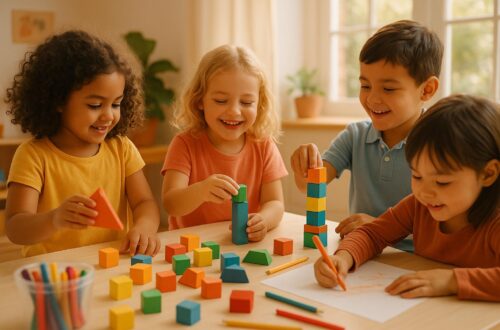
Play is more than fun – it’s essential for bonding and your child’s development. Whether it’s peek-a-boo or board games, play builds trust, strengthens emotional connections, and supports cognitive growth. This guide breaks down how to make the most of playtime, with age-specific ideas, practical tips, and strategies to integrate play into daily life.
Key Takeaways:
- Why Play Matters: Encourages brain development, emotional resilience, and social skills.
- Types of Play: Physical activities, pretend play, games with rules, and sensory exploration.
- Effective Play Strategies: Use child-led play and the PRIDE framework (Praise, Reflect, Imitate, Describe, Enthusiasm).
- Age-Appropriate Ideas: From sensory play for infants to storytelling and board games for older kids.
- Daily Play Integration: Turn chores, car rides, and bedtime into playful bonding moments.
- Technology Use: Balance screen time with hands-on play and use tools like apps for tailored activity ideas.
Playtime doesn’t require expensive toys or elaborate plans. Just 15 minutes of focused, child-led play each day can strengthen your bond and support your child’s growth. Let’s explore how to make these moments count.
100 Slow Living Activities to Do with Kids
The Science Behind Parent-Child Play
Play isn’t just about having fun – it plays a crucial role in shaping a child’s brain and building trust. When parents and children engage in playful activities, it sparks both mental growth and emotional connection.
How Play Fuels Brain Development
In early childhood, the brain is like a sponge, soaking up experiences that encourage growth. Play activates various parts of the brain, strengthening the pathways needed for skills like problem-solving, planning, and self-regulation. For example, stacking blocks or solving puzzles encourages kids to think critically, make predictions, and adapt to challenges.
Imaginative activities, like hosting a tea party or creating an imaginary fort, help children develop flexible thinking by exploring new ideas and scenarios. Meanwhile, repetitive play reinforces learning, helping kids master new skills through practice. Physical activities – whether it’s dancing around the living room or playing tag – enhance motor skills, coordination, and spatial awareness.
But play isn’t just about cognitive development. It also plays a key role in fostering emotional bonds.
How Play Strengthens Emotional Connections
Playtime is a powerful way to build a strong connection with your child. When you respond warmly and attentively during play, it sends a clear message: they are valued and loved. Shared laughter and joyful moments create lasting memories while teaching essential social skills like teamwork and taking turns.
By tuning into your child’s energy, following their lead, and responding with empathy, you help them explore and manage their emotions. Play provides a safe environment for your child to express feelings – big and small – and learn that every emotion is valid and manageable.
Making play a regular part of your routine not only supports your child’s mental development but also lays the groundwork for a deep, trusting relationship that lasts a lifetime.
Types of Play That Build Stronger Bonds
Engaging in different types of play not only strengthens your connection with your child but also creates memories that last a lifetime. Each type of play offers unique ways to support your child’s growth while deepening your relationship. Let’s explore how these activities can bring you closer.
Physical Play
Physical play gets you and your child moving, creating moments filled with laughter, trust, and a little friendly competition. From tickling toddlers to backyard soccer games with older kids, these activities are perfect for bonding.
Wrestling and roughhousing, when done safely, are fantastic ways to connect. They help kids learn boundaries while building confidence. The key is to follow their lead – if they’re giggling and coming back for more, you’re doing it right.
Living room dance parties are another fun option. Put on your child’s favorite songs and dance together. These moments encourage self-expression and are guaranteed to bring plenty of shared smiles.
Outdoor activities like hiking or neighborhood walks are great for sparking conversations. The relaxed setting often makes it easier for kids to open up about their thoughts and feelings, turning a simple stroll into an opportunity for meaningful connection.
Physical play breaks down barriers, making you partners in fun. It strengthens trust and builds a foundation for an even closer relationship.
Pretend Play and Make-Believe
Imaginative play opens the door to your child’s inner world, giving you a glimpse of their creativity. When you join their make-believe games, you’re not just playing – you’re showing them that their ideas matter.
Role-playing games allow kids to explore emotions and perspectives in a safe space. Whether you’re pretending to run a restaurant, playing house, or acting out superhero adventures, these scenarios give them the chance to process their experiences while feeling in control.
Follow their lead in these games to show that their imagination is valued. If they decide that stuffed animals can fly or that dinosaurs work at the grocery store, go with it! Your willingness to embrace their ideas builds trust and validates their creativity.
Collaborative storytelling is another wonderful way to bond. Start a story and let your child add to it, building the tale together. This activity not only sparks creativity but also teaches skills like listening, teamwork, and turn-taking.
Dress-up and costume play can transform an ordinary afternoon into an extraordinary adventure. Whether you’re donning a pirate hat or pretending to be a dragon, you’re showing your child that it’s okay to be playful and imaginative at any age.
These activities demand your full attention, which makes them even more special. After all, it’s hard to pretend to be a dragon while checking your phone – your child gets your undivided focus, something they’ll treasure in today’s busy world.
Games with Rules
Structured games add another layer to bonding by teaching communication, teamwork, and problem-solving. While they might seem less spontaneous, these games offer chances to model sportsmanship, celebrate successes, and tackle challenges together.
Board games are perfect for sparking conversation and connection. Games like Candy Land or Chutes and Ladders are great for younger kids, focusing on turn-taking and simple rules. For older children, games like Monopoly or Scrabble encourage strategy and friendly competition. The trick is choosing games everyone can enjoy without frustration.
Card games are portable and easy to play anywhere. Younger kids might enjoy Go Fish or Old Maid, while UNO or crazy eights can engage the whole family. Over time, these games often turn into cherished traditions, complete with house rules and inside jokes.
Sports and outdoor games combine physical activity with teamwork. Whether it’s shooting hoops, playing catch, or organizing a family kickball game, these activities teach kids about perseverance and handling both wins and losses gracefully.
Puzzles are another great option for building patience and collaboration. Whether it’s a jigsaw puzzle or a tricky brain teaser, working together toward a shared goal creates a sense of accomplishment and strengthens your bond.
The focus doesn’t always have to be on finishing the game or winning. Sometimes, the best moments come from adapting the rules to keep everyone engaged, celebrating small victories, or simply enjoying the time spent together.
How to Make Playtime More Effective
Creating meaningful playtime with your child doesn’t require a pile of expensive toys. The real magic happens when you focus on their interests and create an environment where both of you feel relaxed and engaged. With a few simple strategies, even ordinary moments can turn into opportunities for connection and bonding.
Child-Led Play
One of the best ways to strengthen your relationship with your child is by letting them take the lead during playtime. When kids direct the activity, they feel heard and valued, which boosts their confidence and encourages creativity. Plus, it’s a great way to deepen your connection.
Child-led play means stepping into your child’s world without imposing your own agenda. For example, if your 4-year-old decides their stuffed animals are hosting a tea party in space, go along with it. Instead of steering the activity, ask questions like, “What kind of snacks should we pack for the space trip?” or “How do the rockets work?” This approach shows you’re genuinely interested in their ideas.
Another benefit? It reduces power struggles. When children feel in control of their play, they’re more likely to cooperate and stay engaged. This creates a relaxed atmosphere where bonding happens naturally. To make these moments even more impactful, you can incorporate the PRIDE framework.
PRIDE Skills for Better Play
The PRIDE framework offers a simple yet effective way to make playtime more meaningful. By focusing on five key skills – Praise, Reflection, Imitation, Description, and Enthusiasm – you can create positive, engaging experiences that strengthen your bond.
- Praise: Instead of generic compliments like “Good job,” highlight specific actions. For example, say, “I love how carefully you stacked those blocks!” or “You were so thoughtful to share your crayons with me.”
- Reflection: Echo back what your child says to show you’re listening. If they say, “The dinosaur is hungry,” you might respond, “He’s really hungry! What should we feed him?”
- Imitation: Join in by mimicking their actions. If they’re zooming a toy car around, grab another car and do the same. This simple act shows you’re fully engaged in their world.
- Description: Narrate what they’re doing without adding judgment or direction. Say, “You’re stacking the red block on top of the blue one,” or “I see you’re drawing a big circle.”
- Enthusiasm: Match their energy and excitement. If they’re thrilled about pretend cooking, join in with, “Wow, this soup smells amazing! What’s the secret ingredient?”
Using PRIDE skills creates a positive feedback loop where your child feels valued and understood. Best of all, these strategies work with any type of play, from quiet activities like coloring to high-energy outdoor games.
Adding Play to Daily Routines
You don’t need to carve out extra time for play; instead, sprinkle playful moments into your everyday tasks. These small interactions can make daily routines more enjoyable while reinforcing the bond you’ve built during dedicated playtime.
For instance, cooking together can become a game – count the vegetables as you wash them or pretend you’re making a magical potion. During car rides, play “I Spy” or create a story together, adding one sentence at a time. Bedtime routines can include silly tickling games or collaborative storytelling. Even household chores can feel like fun when you turn cleaning into a race or dance while washing dishes.
The key is finding opportunities for connection in the little moments. Even a quick game or a shared laugh while brushing teeth can strengthen your relationship and make mundane tasks more enjoyable for both of you.
When play becomes part of your daily rhythm, it sends a powerful message to your child: fun and connection aren’t limited to special occasions – they can happen anytime. By weaving these strategies into your routine, you’ll nurture your bond without needing to overhaul your schedule. Plus, you’ll be building on the science of brain growth and emotional connection that supports your child’s development.
sbb-itb-e558fb0
Play Ideas by Age Group
Engaging your child in play that matches their developmental stage helps nurture their growth and keeps them engaged.
Infants (0–12 months)
In the first year of life, your baby’s brain is buzzing with activity, forming new connections through sensory experiences. Activities that engage their senses – touch, sight, hearing, smell, taste, and movement – can help develop their motor skills, strengthen bonds, and stimulate their brain. Always keep safety in mind as you introduce new experiences.
For newborns (0–3 months), gentle, soothing activities are best. Skin-to-skin contact after baths or before naps helps with bonding and stimulates their sense of touch. Infant massages with baby-safe oil can relax them and encourage motor development. You can also introduce soft, varied textures like velvet, muslin, or fleece for them to explore.
Visual stimulation is key at this stage. Spend time face-to-face, letting your baby study your expressions. High-contrast black-and-white cards or books can capture their attention and support visual development. You can also play with light by moving a soft flashlight beam across the ceiling, encouraging them to track movement (just avoid shining it in their eyes).
Your voice is a source of comfort and fascination for your baby. Sing, hum, or talk softly to them throughout the day. Playing calming music like lullabies or nature sounds can also be soothing. For auditory exploration, sealed sound bottles filled with rice or lentils make for safe, engaging noise-makers.
Movement is another important part of their development. Tummy time on a soft mat helps build neck and core strength. Gently bicycling their legs can relieve gas while engaging their muscles, and rocking or swaying mimics the comforting motions they felt in the womb.
As they grow (3–6 months), introduce textured balls and sensory bins with soft fabrics. Simple musical toys and sound bottles filled with beads can add variety to their auditory experiences, while high-contrast books continue to support visual skills.
By 6–12 months, you can encourage fine motor skills with textured teethers that help them practice a pincer grasp. Peek-a-boo games foster cognitive development, and stacking toys or fill-and-spill activities improve hand-eye coordination. When they start eating solids, introduce new tastes and smells, including mild spices (but skip the salt and sugar).
As they transition into toddlerhood, their play becomes more interactive and exploratory.
Toddlers (1–3 years)
Toddlers are little explorers, brimming with energy and curiosity. Activities that tap into their boundless enthusiasm and developing motor skills are ideal.
Water play is often a hit – fill a shallow bin with warm water and provide cups, funnels, and floating toys for pouring and splashing fun. Sensory bins with dried beans, rice, or pasta (always supervised to prevent choking) can add an element of discovery by hiding small toys inside.
Art projects like finger painting, coloring with chunky crayons, or playing with playdough not only spark creativity but also help develop fine motor skills that will come in handy for writing later on.
Language development can be encouraged with naming games. Point to objects and name them together or play "What’s this?" during walks. Sorting games, like grouping blocks by color, introduce basic math concepts in a fun way.
For physical activity, try setting up small obstacle courses with pillows and blankets or have dance parties with their favorite songs. Ball games are another great way to build gross motor skills. Pretend play with toy phones, stuffed animals, or kitchen utensils helps develop language and lets them process their daily experiences.
As toddlers grow into preschoolers, their play becomes more creative and imaginative.
Preschoolers (3–5 years)
Preschoolers have the attention span and language skills to dive into activities that challenge their growing abilities.
Storytelling is a fantastic way to nurture creativity and language skills. Take turns adding sentences to a story or act out favorite books with simple costumes. Adventures with stuffed animals or imaginary characters are another great way to stretch their imagination.
Scavenger hunts combine movement and problem-solving. Indoors, you can ask them to find items by color or shape, while outdoor hunts might involve searching for leaves or rocks. Add a modern twist with photo scavenger hunts.
Pretend play becomes more elaborate at this stage. Set up dramatic play areas like a restaurant, doctor’s office, or grocery store using household items. Dress-up activities with old clothes and accessories can boost their confidence, while building with blocks or cardboard boxes helps develop spatial reasoning.
Simple science experiments like mixing colors with food coloring, growing plants from seeds, or making baking soda volcanoes satisfy their curiosity. Cooking projects, like decorating cookies or making sandwiches, teach them to follow instructions and practice basic math by measuring ingredients.
As they transition to school age, their play can include even more complex and teamwork-oriented activities.
School-Age Children (6+ years)
Older children are ready for activities that challenge their growing skills and encourage both teamwork and independence.
Team sports and group games are great for building coordination and social skills. Backyard games like capture-the-flag, bike rides, or swimming are fun ways to stay active while encouraging interaction. Individual sports like tennis or martial arts help develop discipline and personal growth.
Board games that require strategy and communication promote teamwork, while portable card games like Uno are perfect for family game nights.
Community projects can teach empathy and responsibility. Volunteer together at a food bank, organize a neighborhood cleanup, or create care packages for shelters to help instill important life lessons.
Creative projects that span multiple sessions – like building models, making comic books, exploring photography, or starting a garden – allow them to take pride in their efforts. STEM activities, such as coding games, robotics kits, or engineering challenges with household materials, blend learning with hands-on fun.
For every age group, stay flexible and follow your child’s interests. When they show excitement for certain activities, encourage those preferences while offering new experiences. The goal isn’t to get everything perfect – it’s about connection, learning, and having fun together.
Using Technology to Improve Playtime
When thoughtfully incorporated, technology can enhance the quality of parent-child play. By using digital tools to complement hands-on activities, you can stay informed and confident as a parent while preserving those crucial face-to-face interactions that strengthen bonds. Here’s how you can blend technology with traditional play for a more enriching experience.
Using Brilliant Parenting for Custom Play Ideas
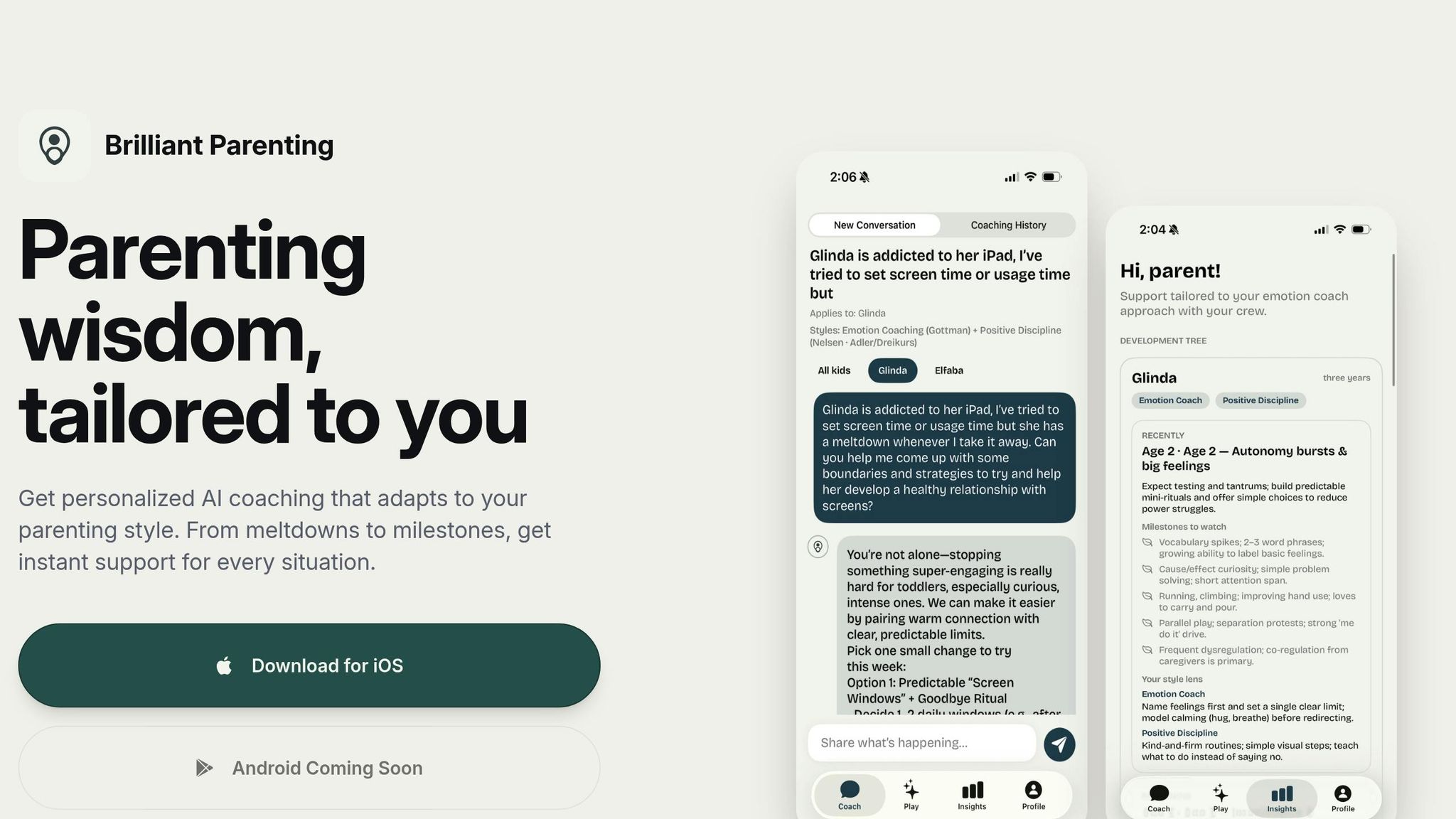
Finding activities that suit your child’s age, developmental stage, and your parenting style can sometimes feel like a daunting task. That’s where platforms like Brilliant Parenting come in. This app offers personalized AI-driven coaching with evidence-based play ideas tailored to your specific needs.
The app’s library of play ideas aligns with various parenting styles, whether you follow gentle parenting, positive discipline, or another approach. It provides activities that reflect your values and address your child’s developmental stage. For families with multiple children, its multi-child support feature ensures that each child gets suggestions tailored to their unique pace of growth.
Need play inspiration on the fly? The app delivers instant, personalized ideas and even offers guidance for tricky moments, like managing a toddler’s frustration over a puzzle or resolving sibling disagreements during a game. An onboarding quiz helps identify the parenting style that resonates most with you, ensuring the suggestions align seamlessly with your family’s approach to play.
While these tailored ideas can be incredibly helpful, it’s equally important to strike a balance between digital tools and hands-on play.
Balancing Screen Time and Hands-On Play
Technology works best as a complement to – not a replacement for – traditional play. When used intentionally, screen time can inspire offline activities and enrich real-world experiences.
For instance, educational apps can serve as a springboard for interactive learning. If your preschooler enjoys a counting app, you can extend the activity by counting steps as you walk or sorting snacks by numbers. Similarly, if your older child plays a geography game, use it as an opportunity to explore physical maps and plan imaginary trips together.
Music streaming and digital cameras can also bridge the gap between digital and hands-on play. Create themed playlists for different activities – upbeat songs for dance sessions, calming tunes for quiet time, or nature sounds for sensory play. Let your child use a digital camera to capture moments during a nature walk or record themselves describing their latest LEGO masterpiece.
Timer apps can add structure to playtime without making it feel rigid. Visual timers, for example, help children understand how much time is left for an activity, making transitions smoother – especially for kids who struggle with changes.
It’s important to set clear boundaries for technology use during play. You might designate specific times or activities as screen-free, while using digital tools intentionally to enrich certain moments – like looking up fun facts about insects during a backyard adventure but keeping art projects or imaginative play offline.
Finally, make screen time interactive by joining in. Watching a show or playing a digital game together can transform passive consumption into an engaging learning experience. Ask questions, make predictions, and connect what’s on the screen to real-world activities. This shared approach keeps the focus on connection and communication, making playtime all the more meaningful.
Building Lifelong Connections Through Play
The playful moments you share with your child today are more than just fun – they’re the building blocks of a strong, lasting parent-child bond. Whether it’s a game of peek-a-boo with your baby or an imaginative tea party with your toddler, these shared experiences create emotional ties that can last well into their adult years.
It’s not about elaborate setups – it’s about consistency. You don’t need pricey toys or grand plans to connect meaningfully. Just 15 minutes of focused, child-led play each day can have a greater impact than infrequent, longer sessions. When your child knows they can count on this regular time with you, it builds trust and a sense of security that goes far beyond playtime. This daily rhythm of connection naturally evolves as your child grows, adapting to their changing developmental needs.
Playtime grows with your child. What starts as physical games and simple activities in early childhood transforms into collaborative projects, strategic games, or shared hobbies as they get older. This evolution ensures your bond stays strong through every stage of their development.
Play isn’t just about having fun – it’s also a safe space for emotional expression and learning. During relaxed activities like building with blocks, drawing, or walking outdoors, your child might naturally open up about their thoughts, fears, or joys. These moments of connection often happen more easily during play than in structured conversations, creating opportunities for deeper communication.
The skills you practice during play – like listening closely, following your child’s lead, celebrating their creativity, and navigating frustrations together – can strengthen your overall parenting approach. For example, the patience you develop while letting your preschooler explain their imaginative storyline can make bedtime routines smoother. Similarly, the problem-solving you practice during games can help you tackle real-life challenges together.
As your child grows into their teen and adult years, the trust and connection built through years of playful interactions become a powerful foundation. This bond makes it easier for them to approach you with important decisions or challenges, knowing they can rely on the emotional security you’ve nurtured through play.
Focused playtime fosters lasting trust. Each moment of undivided attention reinforces your child’s sense of worth and belonging. These experiences shape how they view relationships, handle challenges, and connect with others throughout their lives.
The connection you create through play is a gift that keeps giving – not just to your child, but to your entire family. When play becomes a natural part of your relationship, it leaves a legacy of joy, trust, and emotional closeness that can ripple through generations.
FAQs
How can I balance screen time and hands-on play to support my child’s healthy development?
To strike a balance between screen time and hands-on play, start by establishing clear boundaries for daily screen use, tailored to your child’s age. For kids aged 2 to 5, experts suggest limiting screen time to one hour per day of high-quality content.
Promote unstructured, tech-free play to encourage creativity and problem-solving. You might also designate screen-free zones in your home, like the dining table or bedrooms, to help reinforce these habits. Plan specific times for family activities that don’t involve screens, such as playing outside, doing crafts, or reading together.
Blending intentional screen use with plenty of interactive, hands-on experiences can help your child build healthy habits while strengthening family bonds.
How can I add playtime to my daily routine without feeling stressed or overwhelmed?
Making playtime a regular part of your day doesn’t have to feel overwhelming. Start with just 5–10 minutes a day of focused playtime with your child. It could be something simple, like a quick game, reading a favorite book, or diving into a bit of pretend play.
You can also bring play into everyday tasks. Turn chores into fun challenges, sing while preparing meals, or make clean-up time a playful race. The secret lies in being fully present and enjoying these shared moments. After all, it’s the quality of the time you spend together that truly strengthens your connection.
What is the PRIDE framework, and how can it make playtime more meaningful while strengthening my bond with my child?
The PRIDE framework offers a straightforward, research-backed method for parents to create more meaningful and positive connections during playtime. PRIDE stands for Praise, Reflect, Imitate, Describe, and Enthusiasm – five essential elements that promote communication and bonding.
Here’s how it works:
- Praise: Highlight your child’s positive behaviors to boost their confidence and self-esteem.
- Reflect: Repeat or paraphrase their words to show you’re truly listening and engaged.
- Imitate: Copy their actions to affirm their choices and encourage creativity.
- Describe: Narrate what they’re doing to help them feel noticed and understood.
- Enthusiasm: Bring energy and excitement to make playtime enjoyable and memorable.
When you incorporate PRIDE into your playtime routine, you’re not just having fun – you’re also supporting your child’s emotional growth and social skills. It’s a simple way to turn everyday play into something truly meaningful!